A QUARRY, SMUGGLERS, AND A “DANCING” SEA
Dancing Ledge gets its poetic name from the way the waves playfully wash over the flat shelf at high tide, making the water appear to “dance.” Historically, this area was heavily quarried for the famous Purbeck limestone, which was lowered directly from the cliffs onto waiting ships. Once quarrying ceased, the isolated sea caves and easy landing point made it a natural haven for smugglers. In fact, the nearby “Spyway” path gets its name from locals keeping a lookout for customs officers while moving contraband up the hill from the ledge!
IAN FLEMING & THE TIDAL SWIMMING POOL
The ledge’s most famous feature is the small, rectangular swimming pool blasted directly out of the solid rock. It was created in the early 20th century by Thomas Pellatt, the headmaster of the nearby (and now closed) Durnford Prep School. Pellatt had the pool dynamited so his pupils could enjoy a daily summer sea swim. Most notably, those pupils included a young Ian Fleming, the future author and creator of James Bond! Today, it provides a safe, sun-warmed tidal pool for wild swimming, completely surrounded by a dramatic coastline.
WILDLIFE AND COASTEERING
Today, Dancing Ledge is one of the most popular spots on the coast for thrill-seekers, offering world-class climbing routes and coasteering adventures. For nature lovers, the walk down from the cliffs offers rich grasslands where you can spot grazing animals, while the cliffs themselves occasionally play host to nesting puffins and guillemots in the early summer.
THE DEVIL’S ANVIL & ANCIENT MYTHS
How did a 400-tonne, iron-rich sandstone boulder end up sitting entirely alone on a Purbeck hill? The most famous legend claims it is the “Devil’s Anvil.” The story goes that the Devil himself threw the massive rock from The Needles on the Isle of Wight. Enraged and jealous of the impressive local architecture, he aimed for Corfe Castle, Salisbury Cathedral, or Bindon Abbey, but the immense weight caused it to fall short, turning to stone on the heath.
Other stories suggest a pagan history. Before the rock succumbed to the elements and toppled onto its side (falling to the south-east), it had a much flatter, anvil-like surface that was said to have been used as an altar by ancient Druids. Even its name is a mystery, with some believing it derives from the Anglo-Saxon words hagge (meaning ‘witch’) and stan (meaning ‘stone’), or from the Saxon halig-han meaning ‘Holy home’.
A QUARRYING RELIC OR NATURAL WONDER?
While geologists widely agree that it is a natural feature of the landscape—left behind as softer surrounding earth eroded away—there is evidence of human intervention. Its unique shape suggests it may have been subjected to minor quarrying, or perhaps it was intentionally left as a landscape relic by quarrymen, similar to the St Aldhelm’s Head monolith further down the coast. Today, it bears the carved initials of centuries of visitors, though modern explorers are urged to treat this spectacular piece of history with respect.
EXPLORING GODLINGSTON HEATH
The rock sits within the National Trust-managed Studland Nature Reserve, which forms part of the newly created Purbeck Heaths ‘super’ nature reserve—one of the most biodiverse areas in the UK. Depending on the season, the surrounding heathland is carpeted in swathes of purple heather and yellow gorse. Wildlife lovers should tread quietly, as this specific habitat is famously home to all six of the UK’s native reptile species, including the rare sand lizard.
The Peninsula’s Hidden Gem
While the main stretch of Sandbanks Beach draws visitors from all over the world, those in the know head slightly further west. Situated between the bustling main beach and the iconic Haven Point chain ferry, Cubs Beach (often referred to locally as Midway Beach) is a tranquil haven.
Whether you’re looking for a quiet spot to read a book, a safe place for a morning swim, or somewhere to let the dog run off the lead in the height of summer, this beautiful, sheltered stretch of coastline is the perfect choice.
A Paradise for Dog Walkers
If you are visiting Sandbanks with your furry friend between May 1st and September 30th, Cubs Beach will be your absolute go-to destination. It serves as the peninsula’s designated, all-year-round dog beach. With a gently shelving shoreline and incredibly calm, clear waters, it is exceptionally safe for dogs to swim and paddle. Don’t forget to make use of the handy dog-wash stations located just up the promenade after a long day of sandy paws!
Watching the World Float By
One of the greatest appeals of Cubs Beach is its prime location. Nestled right near the mouth of Poole Harbour—the second-largest natural harbour in the world—the beach provides front-row seats to a constant parade of maritime activity.
Spread out your picnic blanket and watch Sunseeker yachts, traditional sailboats, and paddleboarders glide through the water. You also get a fantastic vantage point of the Sandbanks Chain Ferry as it makes its continuous, historic crossing over to the Isle of Purbeck.
Seamlessly Connected
Despite feeling like a secluded, hidden retreat, Cubs Beach is exceptionally well-connected. A short, five-minute walk east along the seafront promenade takes you straight into the heart of the main Sandbanks resort, giving you instant access to the mini-golf course, sensory play area, and beachfront dining whenever you need it.
Welcome to Sandbanks Beach: Britain’s Ultimate Coastal Escape
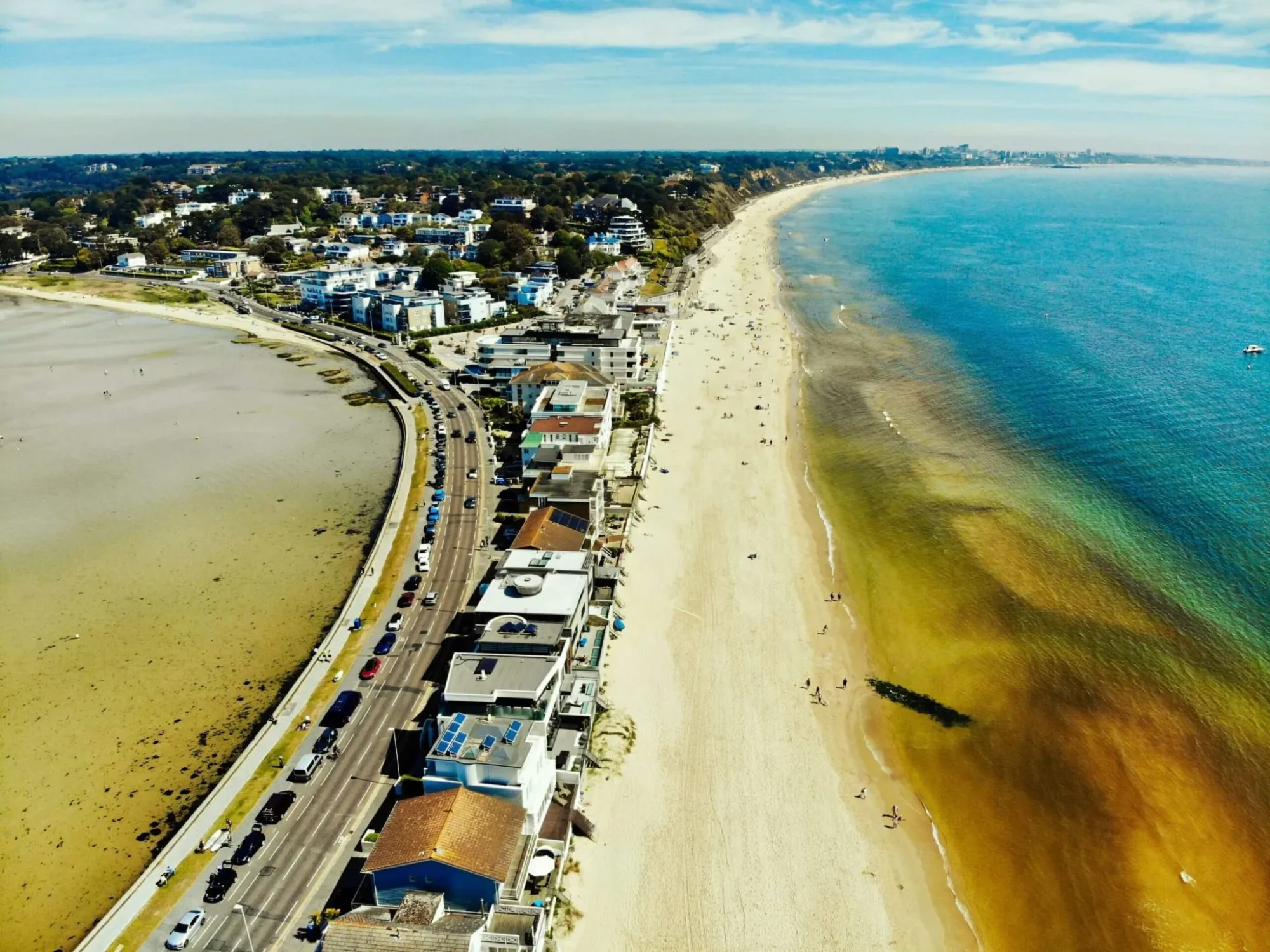
Sandbanks has one of the UK’s most iconic shorelines, and the name alone is synonymous with luxury, beauty, and relaxation. Widely considered one of the most visited tourist sites in Britain and a top destination in Dorset, Sandbanks Beach is the crown jewel of the South Coast.
From the moment you step out onto the soft, golden sand and look out over the beautiful blue ocean, you’ll feel like you’ve been transported to the Mediterranean. It really is one of the most beautiful and unique destinations in Britain, offering a premium seaside experience that simply cannot be matched.
Unrivaled Water Quality & Safety
Get up early and take a tranquil stroll along the famous shoreline, or dive into the crystal-clear water for an invigorating morning swim. The beach boasts a gently shelving shoreline, meaning the waist-height waters are calm, safe, and perfect for a relaxing dip.
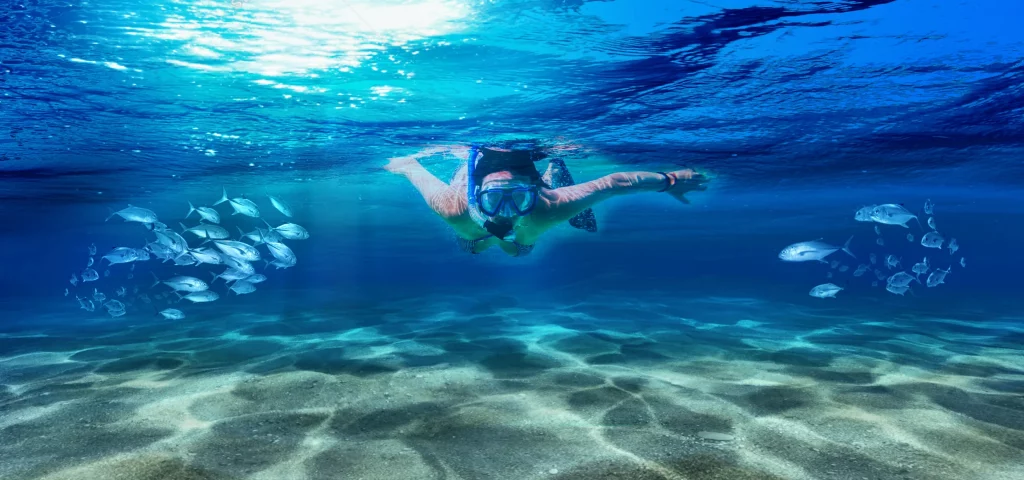
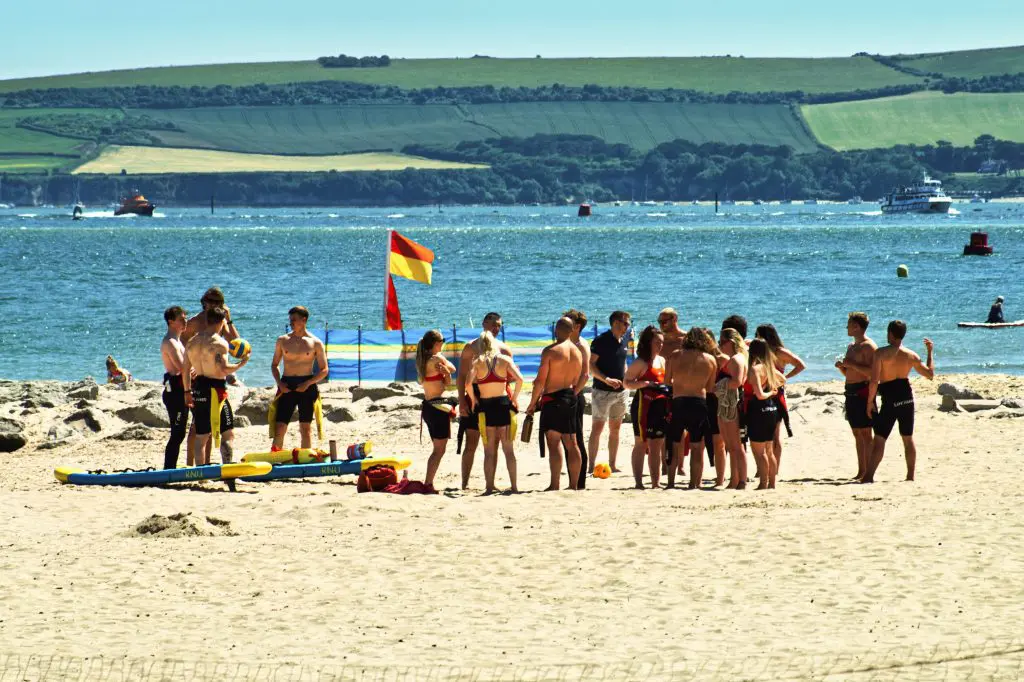
Sandbanks Beach is nationally known as one of the finest and cleanest in the country. In fact, it holds the prestigious Blue Flag award and has done so for over three consecutive decades—holding more consecutive awards than almost any other UK resort! With a team of highly trained RNLI lifeguards on duty throughout the summer season (May to September), Sandbanks is the ultimate spot for safe bathing and a worry-free family holiday.
Endless Family Fun & Beach Activities
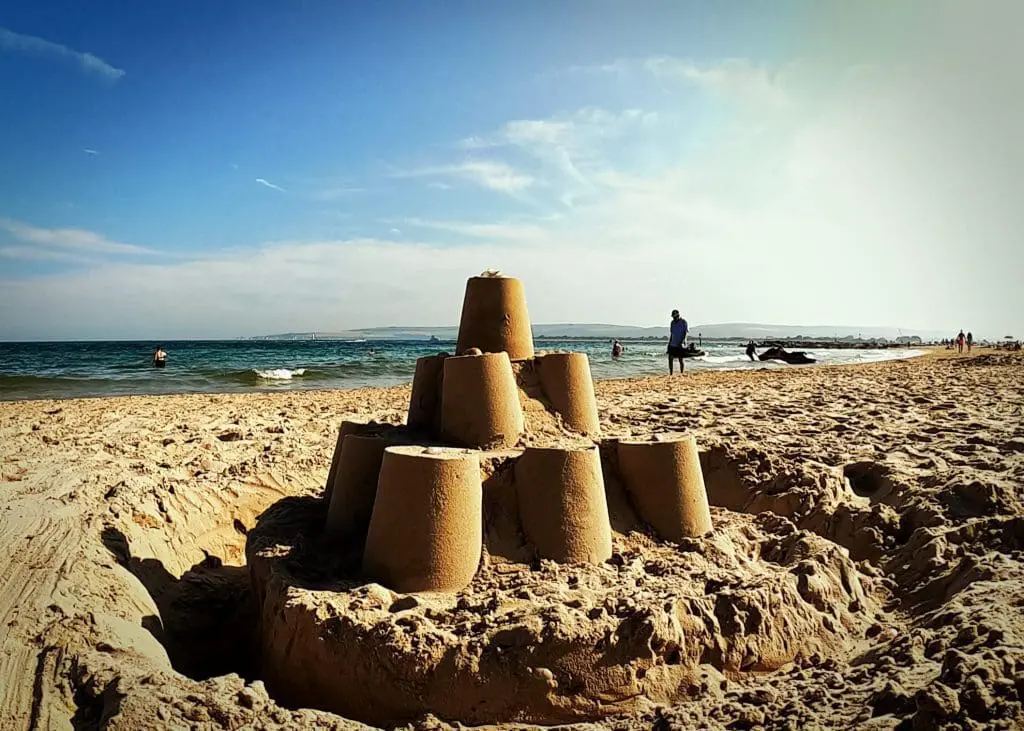
There’s something here to keep the whole family entertained all day. You can relax on the pebble-free sand while the children have fun building sandcastles with their buckets and spades. Lie back and listen to the melodic sounds of the waves as they continuously roll onto the shore and back out again.
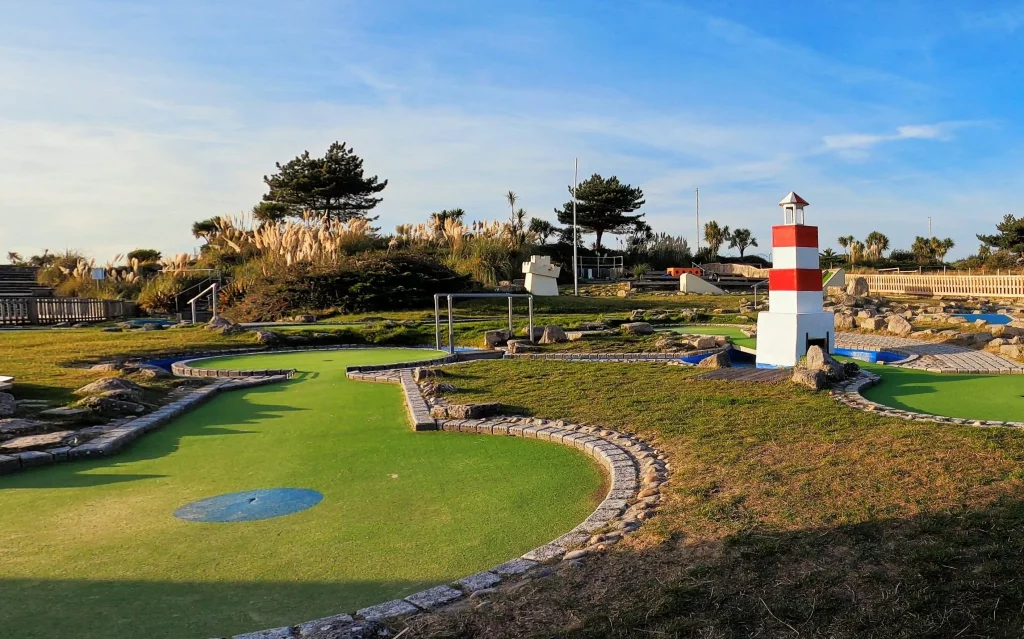
Looking for a little friendly competition? Challenge the kids to an 18-hole crazy golf tournament at the course situated just behind the beach, or let the little ones burn off some energy at the sensory children’s play area!
If you are feeling more energetic, Sandbanks Beach is an absolute mecca for sports enthusiasts. There is a massive area of the beach set aside specifically for beach volleyball, and the calm waters of Whitley Lake (on the harbour side) are famous for watersports. Rent some paddleboards or kayaks and glide across the smooth, clear waters of Poole Bay, or book a kitesurfing lesson with one of the local schools!
Stunning Views & The Jurassic Coast
Sandbanks Beach stretches from Canford Cliffs beach at Shore Road some one and a half miles westward, incorporating Cubs Beach where it joins the Sandbanks Ferry, linking the peninsula with Studland on the Isle of Purbeck.
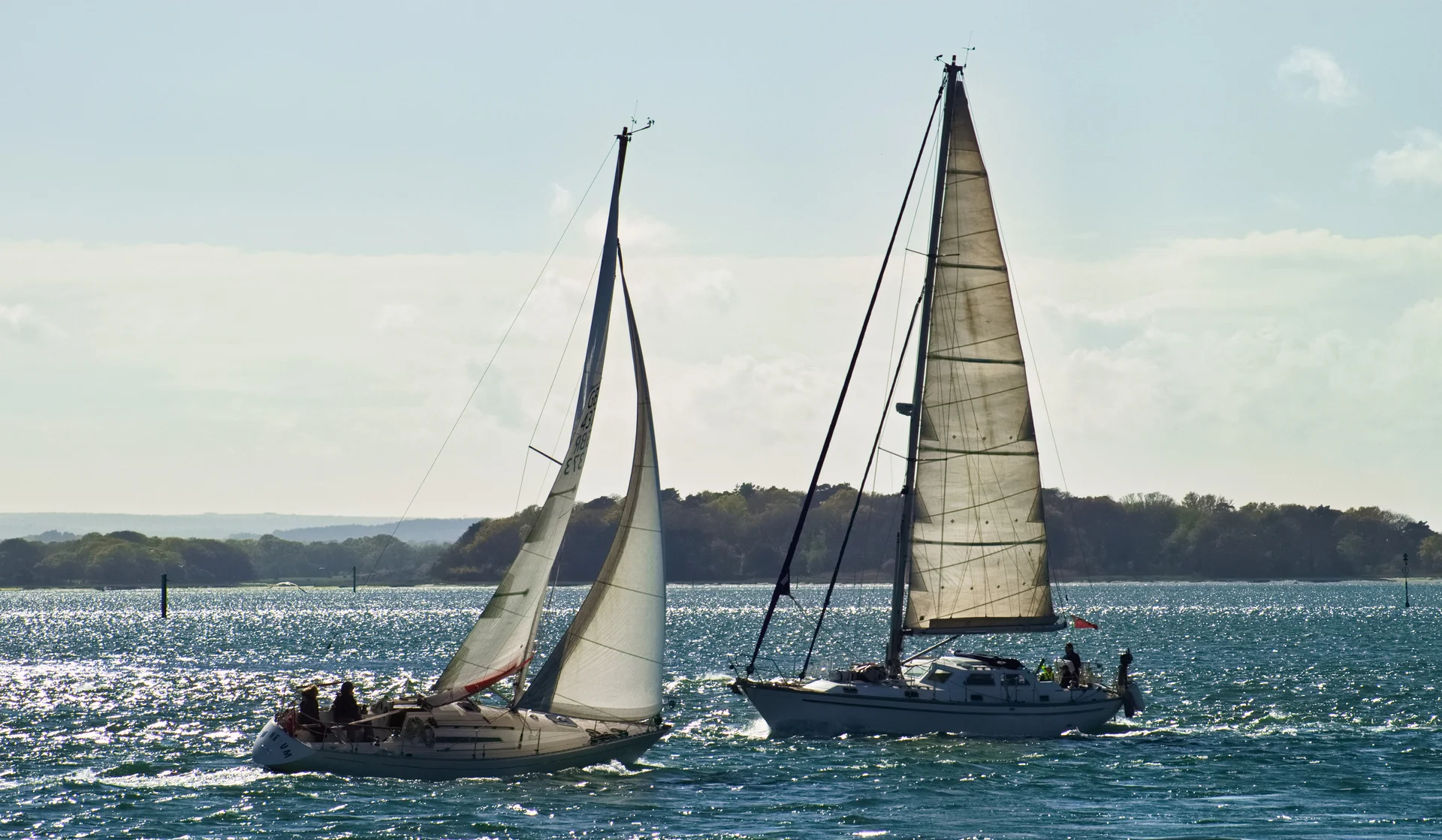
The visual backdrop here is nothing short of spectacular. On the south side of the peninsula, you can look out over the English Channel toward the World Heritage Jurassic Coastline and the Purbeck Hills. On a clear day, you can even spot the Isle of Wight! On the north side, you are treated to views of luxury yachts sailing through Poole Harbour toward Brownsea Island.
World-Class Facilities & Beachside Dining
Because of its premium reputation, the facilities adjacent to Sandbanks beach are second to none. The promenade is completely level, offering excellent accessibility (including Mobi-Mat beach access and beach wheelchair hires available from the beach office).
After a long day in the sun, you can enjoy breakfast, lunch, or dinner at one of the many cafés, kiosks, or premium beachside restaurants right on the promenade. If you prefer to cook your own dinner, Sandbanks allows evening beach BBQs (after 6:00 PM), making it the perfect place to watch the sunset with a burger in hand.

Location & Getting Here
With its proximity to a wide range of premium hotels and holiday apartments in Poole and Bournemouth, Sandbanks is incredibly easy to access.
If you are in your car, the main Sandbanks surface car park is located within 50 metres of the sand. However, because it is so popular, it fills up quickly! Thankfully, there are regular open-top bus services (like the Purbeck Breezer) running from Poole and Bournemouth directly to the beach, so you can leave your car where you’re staying and have a hassle-free day enjoying the coast!
A Protected Coastal Habitat
Luscombe Valley is uniquely positioned right on the edge of Poole Harbour. As you follow the circular trail, you will walk through a rich tapestry of different habitats, including open areas of yellow gorse, grassy meadows, and wet woodland. One of the most beautiful features is the freshwater stream that flows directly through the valley’s seasonal ponds and sweeping reed beds before emptying into the harbour. These reeds act as a natural filter, swaying in the gentle breeze while keeping the water beautifully clean.
Spotting Rare Reptiles
Because the reserve features dry, sandy heathland, it is a vital, protected sanctuary for British reptiles. If you walk quietly and keep your eyes peeled on the bare patches of sand and sun-baked logs, you may be lucky enough to spot the incredibly rare Sand Lizard basking in the midday heat. The rustle you hear in the long grass might also be a shy (and completely harmless) Grass Snake, or occasionally, a native Adder.
A Birdwatcher’s Paradise
Bring your binoculars! Luscombe Valley is a haven for ornithologists. Listen out for the scratchy song of the Willow Warbler perched at the top of a gorse stem, or look for the Whitethroat—a medium-sized summer visitor that darts rapidly in and out of cover, flicking its long tail.
The undisputed stars of the gorse, however, are the resident Dartford Warblers. Named after the town in Kent, these tiny, dark birds with long tails have a charmingly erratic flight pattern. And if you sit quietly near the streams or the wooden walkways, keep your eyes low over the water—you might just see the brilliant, iridescent blue flash of a Kingfisher hovering over the surface as it hunts for its next meal.
The Grandeur of Upton House
Standing proudly at the heart of the park is Upton House. Built in 1816 for the wealthy merchant Christopher Spurrier, this elegant Georgian mansion boasts stunning architecture and sweeping views down to the water. While the building is frequently used as a premium wedding venue, the ground floor and the grand entrance hall are often opened to the public for guided history tours, art exhibitions, and special seasonal events, including magnificent Christmas markets.
The Walled Garden and Summer Splash
For families and horticulture lovers, the Walled Garden is the jewel of the estate. Meticulously maintained by a team of dedicated gardeners and volunteers, it provides a quiet, sensory experience packed with colorful borders and rare plants. During the summer months, the center of the garden comes alive with an interactive, timed water-splash fountain. It is surrounded by perfectly kept lawns, making it the ultimate spot to unroll a picnic blanket while the kids cool off.
The Ultimate Dog-Friendly Destination
If you have brought your dog on holiday, Upton Country Park is an absolute must-visit. It is famous locally for being incredibly welcoming to four-legged friends. There are massive, designated off-lead areas where dogs can safely run through the meadows and woodlands. The estate even features a dedicated, self-service “DIY Dog Wash” station near the car park, complete with warm water and dog-friendly shampoo, so you can clean off those muddy paws before getting back into the car!
Shoreline Walks and Bird Watching
Because the estate borders the northern shores of Holes Bay (a tidal inlet of Poole Harbour), it offers spectacular waterfront walking routes. The paths meander through mature woodlands and open out onto the shoreline. The bay is a designated Nature Reserve and a vital feeding ground for wading birds. Make sure to visit the timber bird hide on the water’s edge, where you can peacefully watch avocets, black-tailed godwits, and kingfishers in their natural habitat.
A Blue Flag Beach Day
At the heart of the town is Swanage Beach, a magnificent crescent of golden sand that regularly wins Blue Flag awards for its cleanliness and water quality. Because the bay is sheltered, the waters are usually very calm, making it a brilliant spot for swimming or hiring a pedalo. The beach is backed by a traditional promenade lined with ice cream kiosks, seafood huts, and brightly colored beach huts that you can hire by the day.
All Aboard the Swanage Railway
You cannot visit Swanage without hearing the nostalgic whistle of a steam train. The Swanage Railway is one of the most successful heritage railways in the country. Run largely by passionate volunteers, the line stretches for six miles through the beautiful Purbeck countryside, passing the ruins of Corfe Castle. Buying a ticket and riding in a beautifully restored 1940s carriage is an absolute must-do experience that delights kids and grandparents alike.
Stroll the Victorian Pier
Built in 1895, Swanage Pier is a stunning piece of maritime history. It is one of the few fully timber piers left in the UK. Taking a stroll to the very end offers fantastic views back across the town and the sweeping bay. Grab a coffee from the pier café, visit the small maritime museum, or simply lean over the railings to watch the local fishermen. The pier is also world-famous in the scuba diving community as one of the best and safest shallow dive sites in the country, teeming with marine life beneath the wooden pylons.
Gateway to Durlston Country Park
If you want to escape the bustle of the town center, head just a mile up the hill to the southern edge of town, where you will find Durlston Country Park. This 320-acre National Nature Reserve features dramatic sea cliffs, wildflower meadows, and the famous Great Globe—a massive 40-ton limestone sphere carved with a map of the world in the 1880s. Durlston is also a premier location for spotting dolphins and peregrine falcons along the Jurassic Coast.
A Geological Masterpiece
Lulworth Cove is world-famous for its unique geology. It was formed approximately 10,000 years ago when a river, swollen by melting ice, breached the hard outer band of Portland limestone. Once the water broke through, it rapidly eroded the softer clays and chalk behind it, hollowing out the perfect horseshoe shape you see today. Because the beach is made of white shingle rather than fine sand, the water remains spectacularly clear and brilliantly blue.
Discover the Lulworth Crumple
Just a five-minute walk west of the cove is another mind-bending geological site known as Stair Hole. Here, you can see the famous “Lulworth Crumple”—layers of rock that were folded and crushed together by the same tectonic forces that created the Alps. It is a spectacular sight and provides a sneak peek into exactly how Lulworth Cove itself looked thousands of years ago before the sea fully broke through.
A Paddler’s Paradise
Because the narrow entrance to the cove acts as a natural breakwater, the bay is effectively a massive, saltwater swimming pool. It is arguably the best spot in Dorset for stand-up paddleboarding (SUP) and kayaking. You can launch right from the slipway and paddle safely around the curving white cliffs. During the summer, you can easily hire equipment right on the beach or book a guided kayak tour to explore the hidden caves and rock arches just outside the cove.
The Ultimate Two-For-One Hike
If you are feeling energetic, Lulworth Cove is the starting point for one of the most famous walks in the UK. A wide, well-maintained (but very steep!) path leads from the car park directly over the hill to Durdle Door. The walk takes about 30 minutes each way and rewards you with sweeping, elevated views of both landmarks. Hiking over the hill, snapping photos of the arch, and returning to Lulworth for a pint of local ale and fresh seafood at The Boat Shed Café is the definitive Dorset day out.
A UNESCO World Heritage Marvel
Durdle Door is the undisputed star of the Jurassic Coast, England’s first natural UNESCO World Heritage Site. The name “Durdle” is derived from the Old English word ‘thirl’, meaning to bore or drill. The arch was formed when the power of the ocean finally punched a hole through the tough Portland limestone. Looking at the rock strata—which have been folded completely vertically by ancient tectonic shifts—is like looking back through 140 million years of Earth’s history.
Two Beaches for the Price of One
When you reach the bottom of the steps, you actually have a choice between two spectacular beaches. Turn right, and you are on the main Durdle Door beach, staring directly at the iconic arch. Turn left, and you step onto Man O’War Beach. This stunning, crescent-shaped bay is protected from the open ocean by a band of partially submerged rocks, creating a sheltered lagoon of turquoise water that looks like it belongs in the Mediterranean.
Wild Swimming with Caution
On a calm summer’s day, the crystal-clear waters around Durdle Door are incredibly inviting for a wild swim. The beach is made of shingle and pebbles rather than sand, which keeps the water beautifully clear. However, the beach shelves very steeply into deep water just a few feet from the shore. Because there are no lifeguards on duty and the tidal currents around the arch can be surprisingly strong, swimming is recommended only for strong, confident swimmers on calm days. (Note: Jumping from the top of the arch—known as tombstoning—is strictly prohibited and highly dangerous due to submerged rocks).
Part of the Lulworth Estate
It surprises many visitors to learn that Durdle Door is not owned by the National Trust or the government, but is actually part of the privately owned Lulworth Estate. The Weld family has owned and managed this 12,000-acre estate since 1641. They maintain the paths, steps, and car parks, allowing millions of visitors to safely experience this magnificent piece of the British coastline every single year.
A Local’s Hideaway
While visitors flock to the vast expanses of Knoll and Shell Bay, locals usually head straight for South Beach. It has a distinctly traditional, almost “Enid Blyton” feel to it. The beach is lined with a row of colorful, privately owned beach huts tucked under the trees, and the sand is perfect for building castles. Because the water here is so sheltered by the curve of the bay and the looming chalk cliffs of Old Harry, it is incredibly calm and safe for young children to paddle.
The Best Rock Pooling in the Bay
If you have kids who love to explore, timing your visit for low tide is a must. As the water pulls back, the southern end of the beach (where the sand meets the chalky base of the cliffs) reveals a fantastic network of rock pools. Armed with a net and a bucket, you can spend hours hunting for shore crabs, anemones, and small fish trapped in the tidal pools.
The Perfect Hike and Pint Combo
South Beach is arguably the best basecamp for exploring the wider Purbeck area. The path that leads down to the sand is the very same path that continues up the hill to the world-famous Old Harry Rocks. A classic Studland day out involves parking in the village, hiking up to the spectacular white cliffs, wandering back down for a cooling swim at South Beach, and finishing the day with a well-earned meal in the beer garden of the Bankes Arms pub, which offers panoramic views over the sea you just swam in.
Joe’s Café: A Studland Institution
You can’t talk about South Beach without mentioning Joe’s Café. Tucked away under the trees on the path down to the beach, this tiny, unassuming wooden hut has been serving beachgoers for generations. It is entirely off-grid and famous for its simple, high-quality local fare. Grabbing a fresh crab sandwich or a locally made ice cream from Joe’s before heading down to the sand is a beloved Studland tradition.