THE DEVIL’S ANVIL & ANCIENT MYTHS
How did a 400-tonne, iron-rich sandstone boulder end up sitting entirely alone on a Purbeck hill? The most famous legend claims it is the “Devil’s Anvil.” The story goes that the Devil himself threw the massive rock from The Needles on the Isle of Wight. Enraged and jealous of the impressive local architecture, he aimed for Corfe Castle, Salisbury Cathedral, or Bindon Abbey, but the immense weight caused it to fall short, turning to stone on the heath.
Other stories suggest a pagan history. Before the rock succumbed to the elements and toppled onto its side (falling to the south-east), it had a much flatter, anvil-like surface that was said to have been used as an altar by ancient Druids. Even its name is a mystery, with some believing it derives from the Anglo-Saxon words hagge (meaning ‘witch’) and stan (meaning ‘stone’), or from the Saxon halig-han meaning ‘Holy home’.
A QUARRYING RELIC OR NATURAL WONDER?
While geologists widely agree that it is a natural feature of the landscape—left behind as softer surrounding earth eroded away—there is evidence of human intervention. Its unique shape suggests it may have been subjected to minor quarrying, or perhaps it was intentionally left as a landscape relic by quarrymen, similar to the St Aldhelm’s Head monolith further down the coast. Today, it bears the carved initials of centuries of visitors, though modern explorers are urged to treat this spectacular piece of history with respect.
EXPLORING GODLINGSTON HEATH
The rock sits within the National Trust-managed Studland Nature Reserve, which forms part of the newly created Purbeck Heaths ‘super’ nature reserve—one of the most biodiverse areas in the UK. Depending on the season, the surrounding heathland is carpeted in swathes of purple heather and yellow gorse. Wildlife lovers should tread quietly, as this specific habitat is famously home to all six of the UK’s native reptile species, including the rare sand lizard.
Welcome to Sandbanks Beach: Britain’s Ultimate Coastal Escape
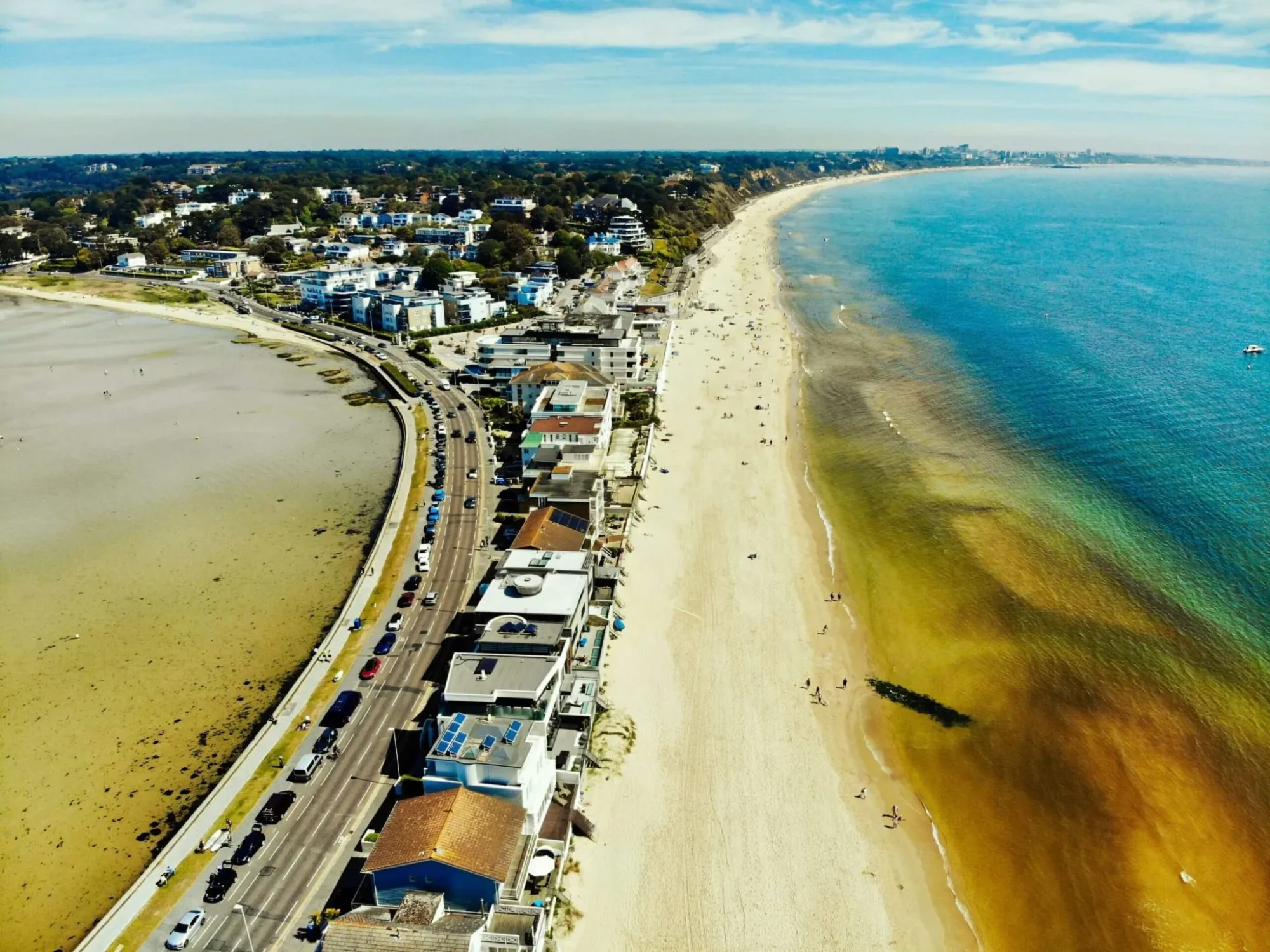
Sandbanks has one of the UK’s most iconic shorelines, and the name alone is synonymous with luxury, beauty, and relaxation. Widely considered one of the most visited tourist sites in Britain and a top destination in Dorset, Sandbanks Beach is the crown jewel of the South Coast.
From the moment you step out onto the soft, golden sand and look out over the beautiful blue ocean, you’ll feel like you’ve been transported to the Mediterranean. It really is one of the most beautiful and unique destinations in Britain, offering a premium seaside experience that simply cannot be matched.
Unrivaled Water Quality & Safety
Get up early and take a tranquil stroll along the famous shoreline, or dive into the crystal-clear water for an invigorating morning swim. The beach boasts a gently shelving shoreline, meaning the waist-height waters are calm, safe, and perfect for a relaxing dip.
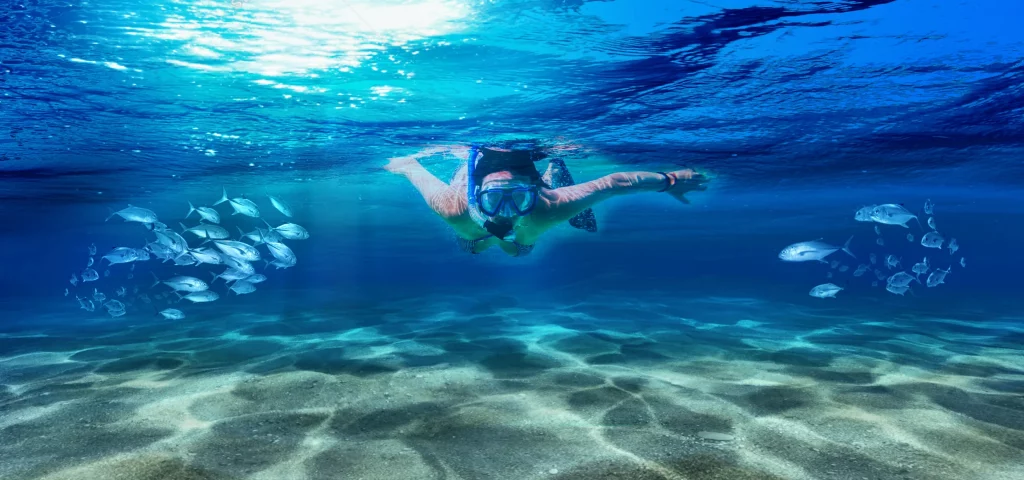
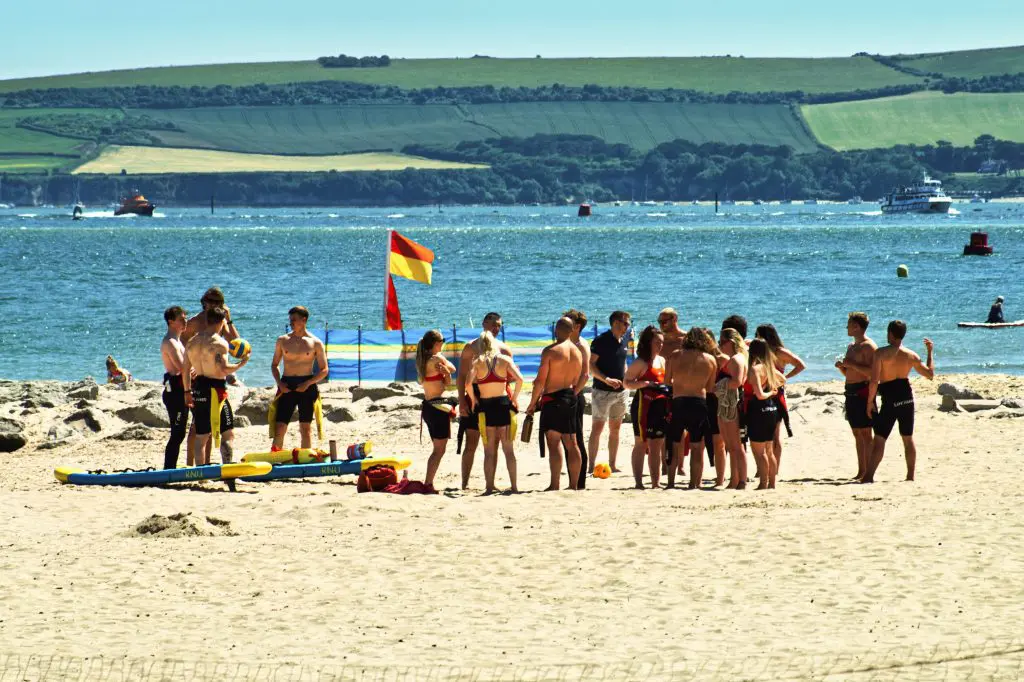
Sandbanks Beach is nationally known as one of the finest and cleanest in the country. In fact, it holds the prestigious Blue Flag award and has done so for over three consecutive decades—holding more consecutive awards than almost any other UK resort! With a team of highly trained RNLI lifeguards on duty throughout the summer season (May to September), Sandbanks is the ultimate spot for safe bathing and a worry-free family holiday.
Endless Family Fun & Beach Activities
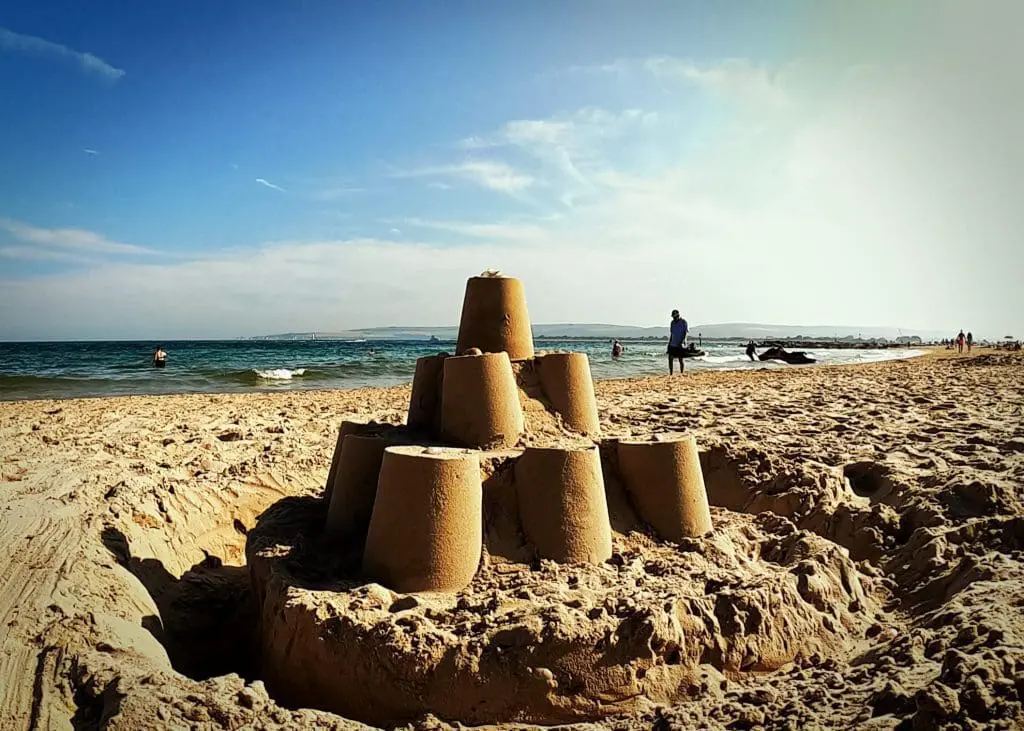
There’s something here to keep the whole family entertained all day. You can relax on the pebble-free sand while the children have fun building sandcastles with their buckets and spades. Lie back and listen to the melodic sounds of the waves as they continuously roll onto the shore and back out again.
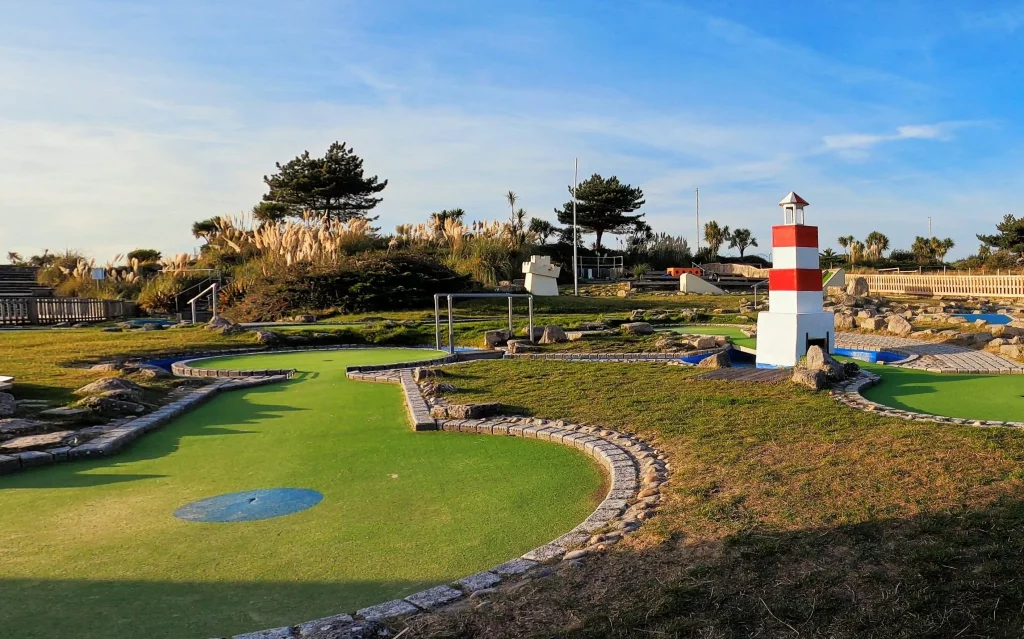
Looking for a little friendly competition? Challenge the kids to an 18-hole crazy golf tournament at the course situated just behind the beach, or let the little ones burn off some energy at the sensory children’s play area!
If you are feeling more energetic, Sandbanks Beach is an absolute mecca for sports enthusiasts. There is a massive area of the beach set aside specifically for beach volleyball, and the calm waters of Whitley Lake (on the harbour side) are famous for watersports. Rent some paddleboards or kayaks and glide across the smooth, clear waters of Poole Bay, or book a kitesurfing lesson with one of the local schools!
Stunning Views & The Jurassic Coast
Sandbanks Beach stretches from Canford Cliffs beach at Shore Road some one and a half miles westward, incorporating Cubs Beach where it joins the Sandbanks Ferry, linking the peninsula with Studland on the Isle of Purbeck.
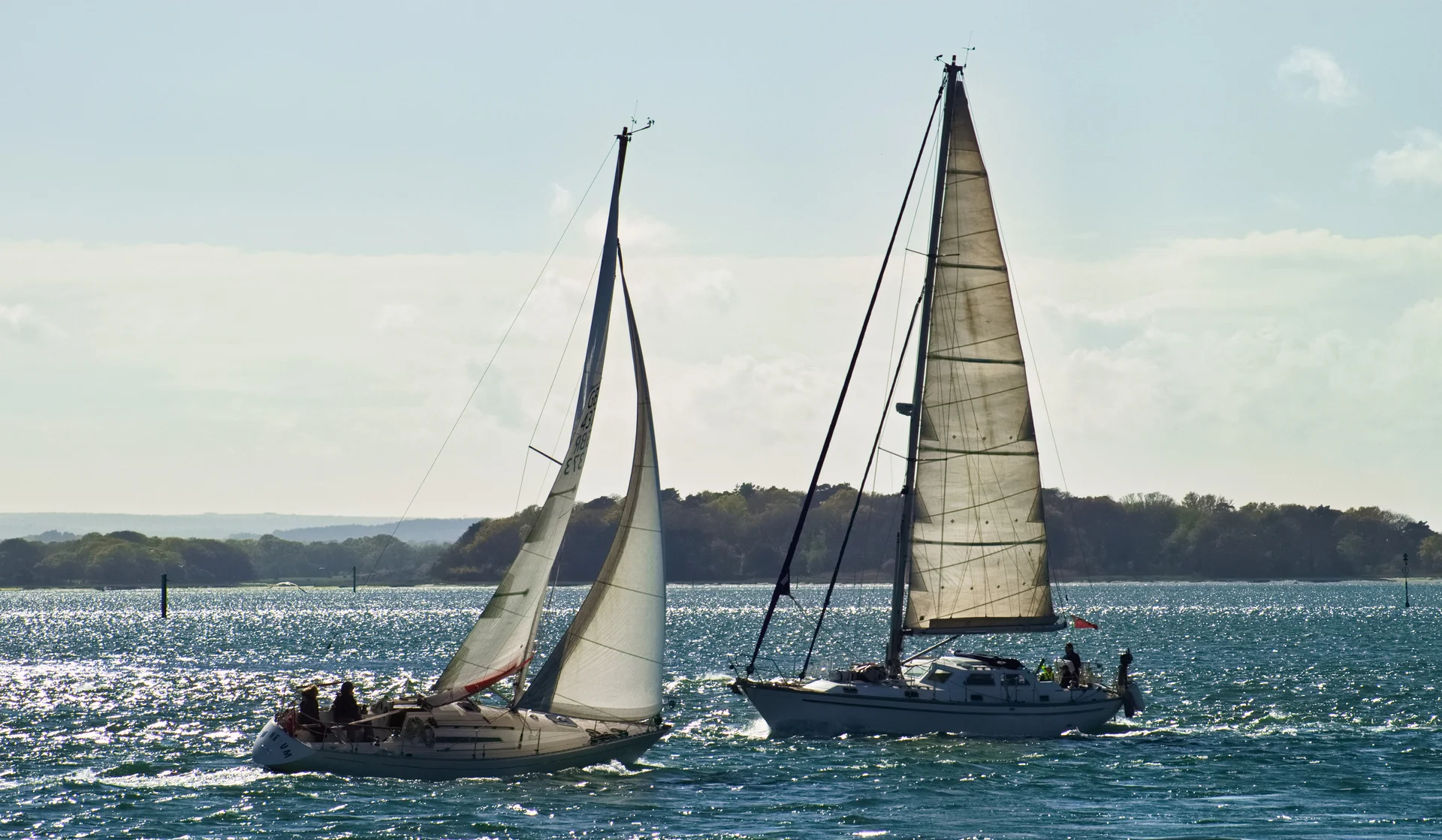
The visual backdrop here is nothing short of spectacular. On the south side of the peninsula, you can look out over the English Channel toward the World Heritage Jurassic Coastline and the Purbeck Hills. On a clear day, you can even spot the Isle of Wight! On the north side, you are treated to views of luxury yachts sailing through Poole Harbour toward Brownsea Island.
World-Class Facilities & Beachside Dining
Because of its premium reputation, the facilities adjacent to Sandbanks beach are second to none. The promenade is completely level, offering excellent accessibility (including Mobi-Mat beach access and beach wheelchair hires available from the beach office).
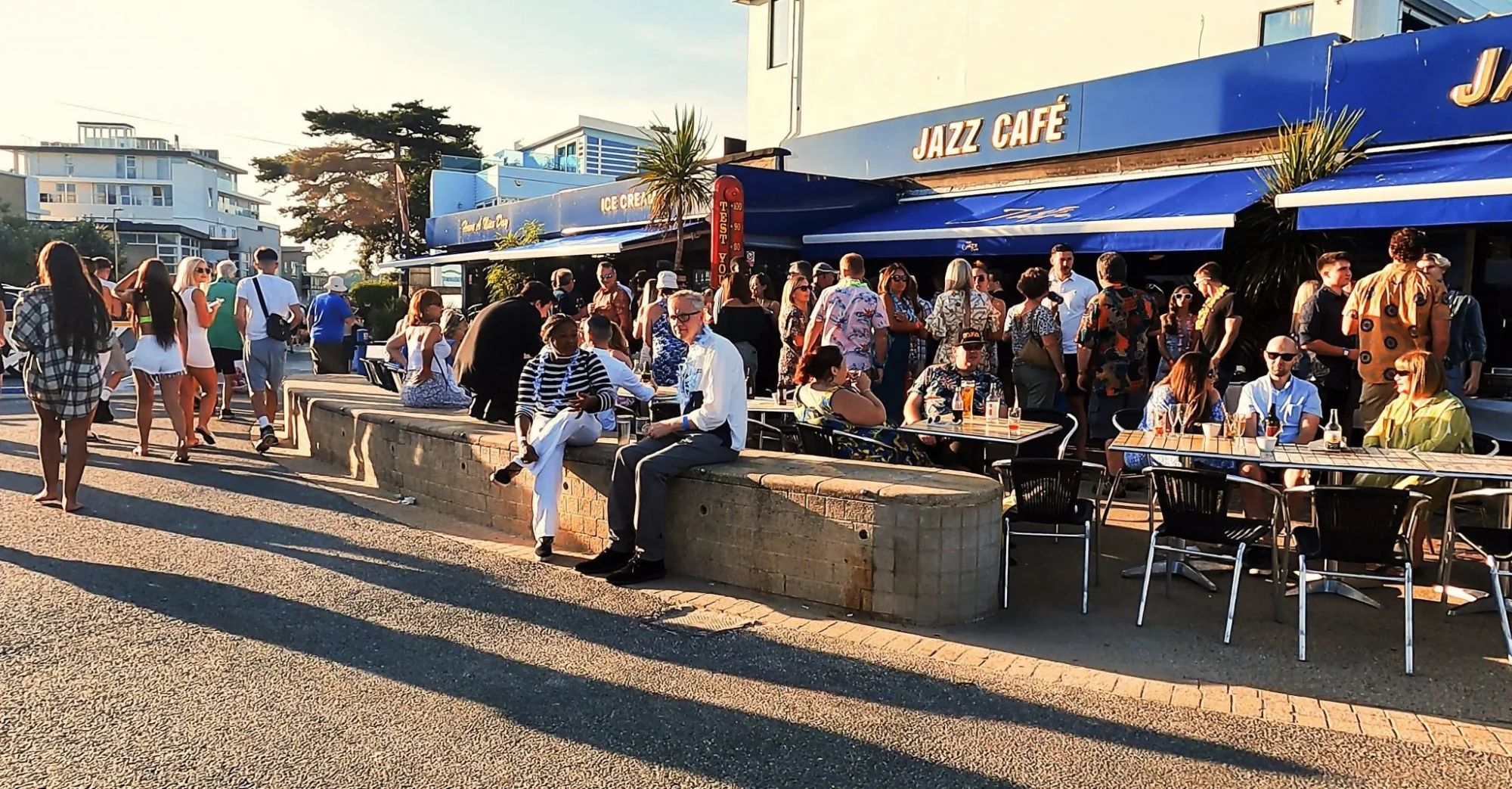
After a long day in the sun, you can enjoy breakfast, lunch, or dinner at one of the many cafés, kiosks, or premium beachside restaurants right on the promenade. If you prefer to cook your own dinner, Sandbanks allows evening beach BBQs (after 6:00 PM), making it the perfect place to watch the sunset with a burger in hand.
Location & Getting Here
With its proximity to a wide range of premium hotels and holiday apartments in Poole and Bournemouth, Sandbanks is incredibly easy to access.
If you are in your car, the main Sandbanks surface car park is located within 50 metres of the sand. However, because it is so popular, it fills up quickly! Thankfully, there are regular open-top bus services (like the Purbeck Breezer) running from Poole and Bournemouth directly to the beach, so you can leave your car where you’re staying and have a hassle-free day enjoying the coast!
A Protected Coastal Habitat
Luscombe Valley is uniquely positioned right on the edge of Poole Harbour. As you follow the circular trail, you will walk through a rich tapestry of different habitats, including open areas of yellow gorse, grassy meadows, and wet woodland. One of the most beautiful features is the freshwater stream that flows directly through the valley’s seasonal ponds and sweeping reed beds before emptying into the harbour. These reeds act as a natural filter, swaying in the gentle breeze while keeping the water beautifully clean.
Spotting Rare Reptiles
Because the reserve features dry, sandy heathland, it is a vital, protected sanctuary for British reptiles. If you walk quietly and keep your eyes peeled on the bare patches of sand and sun-baked logs, you may be lucky enough to spot the incredibly rare Sand Lizard basking in the midday heat. The rustle you hear in the long grass might also be a shy (and completely harmless) Grass Snake, or occasionally, a native Adder.
A Birdwatcher’s Paradise
Bring your binoculars! Luscombe Valley is a haven for ornithologists. Listen out for the scratchy song of the Willow Warbler perched at the top of a gorse stem, or look for the Whitethroat—a medium-sized summer visitor that darts rapidly in and out of cover, flicking its long tail.
The undisputed stars of the gorse, however, are the resident Dartford Warblers. Named after the town in Kent, these tiny, dark birds with long tails have a charmingly erratic flight pattern. And if you sit quietly near the streams or the wooden walkways, keep your eyes low over the water—you might just see the brilliant, iridescent blue flash of a Kingfisher hovering over the surface as it hunts for its next meal.
A Jam-Packed Animal Timetable
The heart of Farmer Palmer’s is the animals. Rather than just walking past enclosures, children are actively encouraged to get involved. The park runs a brilliant timetable of events every half hour. Your little ones can hand-feed the sheep and goats in the Big Barn, gently hold a guinea pig, watch a live cow-milking demonstration, and even cheer on their favorite during the hilarious daily Pig and Goat Racing!
Indoor and Outdoor Play
This is a true “whatever the weather” attraction. Outside, kids can tackle the bumpy (and highly entertaining) Tractor Trailer ride, dig in the sand, or brave the slides of Straw Mountain. If the heavens open, head straight into the Little Farmer’s Fun Barn. It features a massive, multi-level soft play area to tire them out, alongside a charming Wendy House Village where toddlers can let their imaginations run wild.
The World of Dinosaur Roar
As if farm animals weren’t enough, the park has teamed up with The Natural History Museum to create the World of Dinosaur Roar Discovery Trail. Tucked away in a peaceful woodland walk alongside the river, children can hunt for engaging dinosaur displays and interactive activities. It’s a brilliant way to break up the day and enjoy some fresh air away from the main play zones.
The Hen House Restaurant
You don’t need to pack a picnic (although you are welcome to use their outdoor benches if you do). The Hen House Restaurant is famous for serving genuinely good, home-cooked food. Rather than standard fast food, you’ll find freshly prepared lasagnes, jacket potatoes, and children’s picnic boxes. They cater excellently to dietary requirements, have a fantastic array of homemade cakes for the adults, and provide everything a parent could need to make mealtime stress-free.
From Rescue to Rehabilitation
The story of Monkey World is what makes a visit here so special. Every primate you see has a unique, often heartbreaking background. Many of the chimpanzees were rescued from the illegal pet trade, used as photographer’s props on Spanish beaches, or saved from laboratory testing. When you read the plaques outside their massive enclosures, you learn exactly where they came from and how the dedicated team at Monkey World has slowly rehabilitated them back into natural, happy family groups.
Meet the Stars of ‘Monkey Life’
If you have ever watched the long-running television documentary Monkey Life, visiting the park feels like stepping onto a film set. The sanctuary is home to the largest group of chimpanzees outside of Africa. You will also meet the critically endangered Bornean and Sumatran orangutans, agile gibbons that swing spectacularly through the high canopy, and cheeky woolly monkeys. Because the enclosures are vast and designed for the apes’ comfort rather than purely for human viewing, finding and watching them interact is incredibly rewarding.
The Great Ape Play Area
If you are visiting with children, Monkey World holds a fantastic trump card. Located near the café is the Great Ape Play Area—the largest outdoor adventure playground in the South of England. It is a sprawling complex of massive climbing frames, slides, and obstacle courses designed to let kids burn off energy by climbing just like the monkeys they’ve been watching all day.
Supporting a Vital Cause
Monkey World does not receive any government funding; it relies entirely on visitor entry fees, gift shop purchases, and its famous Primate Adoption scheme. By choosing to spend your day here, buying lunch at the watering hole café, or adopting an ape in the gift shop, you are directly funding future rescue missions and the ongoing care of these incredible animals. It is a day out that genuinely makes a difference.
A UNESCO World Heritage Marvel
Durdle Door is the undisputed star of the Jurassic Coast, England’s first natural UNESCO World Heritage Site. The name “Durdle” is derived from the Old English word ‘thirl’, meaning to bore or drill. The arch was formed when the power of the ocean finally punched a hole through the tough Portland limestone. Looking at the rock strata—which have been folded completely vertically by ancient tectonic shifts—is like looking back through 140 million years of Earth’s history.
Two Beaches for the Price of One
When you reach the bottom of the steps, you actually have a choice between two spectacular beaches. Turn right, and you are on the main Durdle Door beach, staring directly at the iconic arch. Turn left, and you step onto Man O’War Beach. This stunning, crescent-shaped bay is protected from the open ocean by a band of partially submerged rocks, creating a sheltered lagoon of turquoise water that looks like it belongs in the Mediterranean.
Wild Swimming with Caution
On a calm summer’s day, the crystal-clear waters around Durdle Door are incredibly inviting for a wild swim. The beach is made of shingle and pebbles rather than sand, which keeps the water beautifully clear. However, the beach shelves very steeply into deep water just a few feet from the shore. Because there are no lifeguards on duty and the tidal currents around the arch can be surprisingly strong, swimming is recommended only for strong, confident swimmers on calm days. (Note: Jumping from the top of the arch—known as tombstoning—is strictly prohibited and highly dangerous due to submerged rocks).
Part of the Lulworth Estate
It surprises many visitors to learn that Durdle Door is not owned by the National Trust or the government, but is actually part of the privately owned Lulworth Estate. The Weld family has owned and managed this 12,000-acre estate since 1641. They maintain the paths, steps, and car parks, allowing millions of visitors to safely experience this magnificent piece of the British coastline every single year.
A Sheltered Paddler’s Paradise
Because Middle Beach is tucked neatly into the curve of Studland Bay and protected by the cliffs behind it, the water here is often incredibly calm. This makes it a favored launch spot for locals bringing their own kayaks and stand-up paddleboards. From here, it is a highly popular and scenic paddle along the coastline towards the chalk stacks of Old Harry Rocks.
Step Back into WWII History
One of the most unique features of Middle Beach is its profound connection to World War II. During the war, Studland Beach was the site of “Exercise Smash,” the largest live-fire rehearsal for the D-Day landings. Situated right on the low cliff above Middle Beach is Fort Henry, a massive, Grade II listed concrete observation bunker. It was built in 1943, and it was from inside this very bunker that Winston Churchill, King George VI, and General Eisenhower watched the troops practice the Normandy invasion. Today, the bunker is open to the public and offers a fascinating (and sobering) piece of history alongside spectacular views of the bay.
A Quieter Slice of Purbeck
Compared to Knoll Beach, Middle Beach has a much less commercial vibe. The beach itself is narrower, and the sand gives way in places to pebbles and fascinating rock pools, especially at the southern end towards South Beach. It is the perfect spot for those who want to avoid the biggest summer crowds, unroll a towel under the shade of an overhanging coastal oak tree, and lose themselves in a good book with the sound of the waves lapping just feet away.
The Ultimate Family Beach Day
Knoll Beach is purpose-built for a stress-free day by the sea. The water here is famously calm and shallow, warming up nicely in the summer sun and providing a safe environment for young children to splash and swim. With a fantastic café, a well-stocked National Trust shop (in case you forgot your sunscreen or bucket), and clean shower facilities right on the edge of the sand, parents can truly relax while the kids play.
A Hub for Water Sports
If you prefer a more active day out, Knoll Beach is the premier spot for water sports in the bay. During the summer, you can hire kayaks, stand-up paddleboards (SUPs), and pedalos directly from the beach. Because the bay is sheltered from the prevailing winds by the Purbeck Hills and Old Harry Rocks, the water is often as flat as a lake, making it the perfect place for beginners to find their balance on a paddleboard.
The Famous Naturist Beach
It is important for visitors to know that the northern end of Knoll Beach (walking left as you face the sea, heading towards Shell Bay) is one of the most famous and historic designated naturist beaches in the UK. It has been an official clothing-optional area since the 1920s. The area is very clearly signposted on the beach and through the dunes, so you will not wander into it accidentally! It is a peaceful, highly respected section of the beach managed perfectly in harmony with the surrounding family areas.
Explore the Heath and Pines
Don’t just stick to the sand! Immediately behind Knoll Beach lies a stunning mature pine woodland and the vast expanse of the Studland heathland. You can follow marked trails directly from the visitor centre to explore this rare habitat, keeping an eye out for Dartford warblers, sand lizards, and perhaps even a grazing Sika deer.
The Gateway to the Purbecks
The moment you step off the Sandbanks Chain Ferry, Shell Bay welcomes you to the Isle of Purbeck. Unlike the highly developed promenades of Bournemouth and Poole, Shell Bay is completely natural. The beach is composed of incredibly fine, white sand that shelves very gently into the sea, making it a safe and relaxing environment for paddling and swimming.
Boat Watching and Spectacular Views
Because Shell Bay forms the southern lip of the Poole Harbour entrance, it offers a front-row seat to one of the busiest and most glamorous waterways in Europe. Beachgoers can relax on the sand while massive Brittany Ferries, sleek luxury yachts built across the water at Sunseeker, and fleets of dinghies navigate the narrow channel. Look directly across the water, and you will see the multi-million-pound mansions of the Sandbanks peninsula from a completely new perspective.
The Shifting Dunes
The beach is backed by a vast system of undulating sand dunes, which are protected by the National Trust. These dunes are a dynamic, ever-changing environment bound together by marram grass. They provide fantastic, sheltered sun traps on windy days, but visitors are asked to stick to the designated paths to protect the fragile nesting sites of local seabirds and the rare sand lizards that call the dunes home.
The Shell Bay Restaurant
While the beach itself is wild, luxury isn’t far away. Located right at the edge of the beach by the ferry terminal is the highly acclaimed Shell Bay Seafood Restaurant. Known as one of the best dining spots in Dorset, you can sit on the terrace, enjoy locally caught Purbeck seafood, and look out over the very waters your dinner was caught in.
Discover the Four Faces of Studland
Studland Bay isn’t just one beach; it is a four-mile stretch divided into four distinct areas. Whether you want a bustling family day out with ice creams and water sports, or a quiet retreat surrounded by nature, Studland has a spot for you.
-
Shell Bay: The very first beach you reach after stepping off the Sandbanks ferry. Backed by towering dunes, it offers spectacular views right back across the water to your accommodation.
-
Knoll Beach: The vibrant heart of Studland Bay. This is the largest beach, featuring the main National Trust visitor centre, a fantastic café, water sports hire, and safe, shallow waters perfect for children. (Note: The far end of Knoll Beach is a designated naturist area).
-
Middle Beach: Slightly more sheltered and framed by low cliffs, Middle Beach is a favorite for kayakers, paddleboarders, and those looking to escape the busiest crowds.
-
South Beach: The smallest and most intimate of the four. Popular with locals, this narrow, sandy cove is closest to Studland village and the famous Bankes Arms pub.
A Haven for Wildlife
Behind the golden sands lies the Studland National Nature Reserve, a vast expanse of lowland heath. This is one of the few places in Britain where you can find all six native species of British reptiles, including the rare sand lizard and smooth snake. The dunes themselves are a delicate, shifting ecosystem home to rare wildflowers and insects, making the bay a paradise for nature photographers.