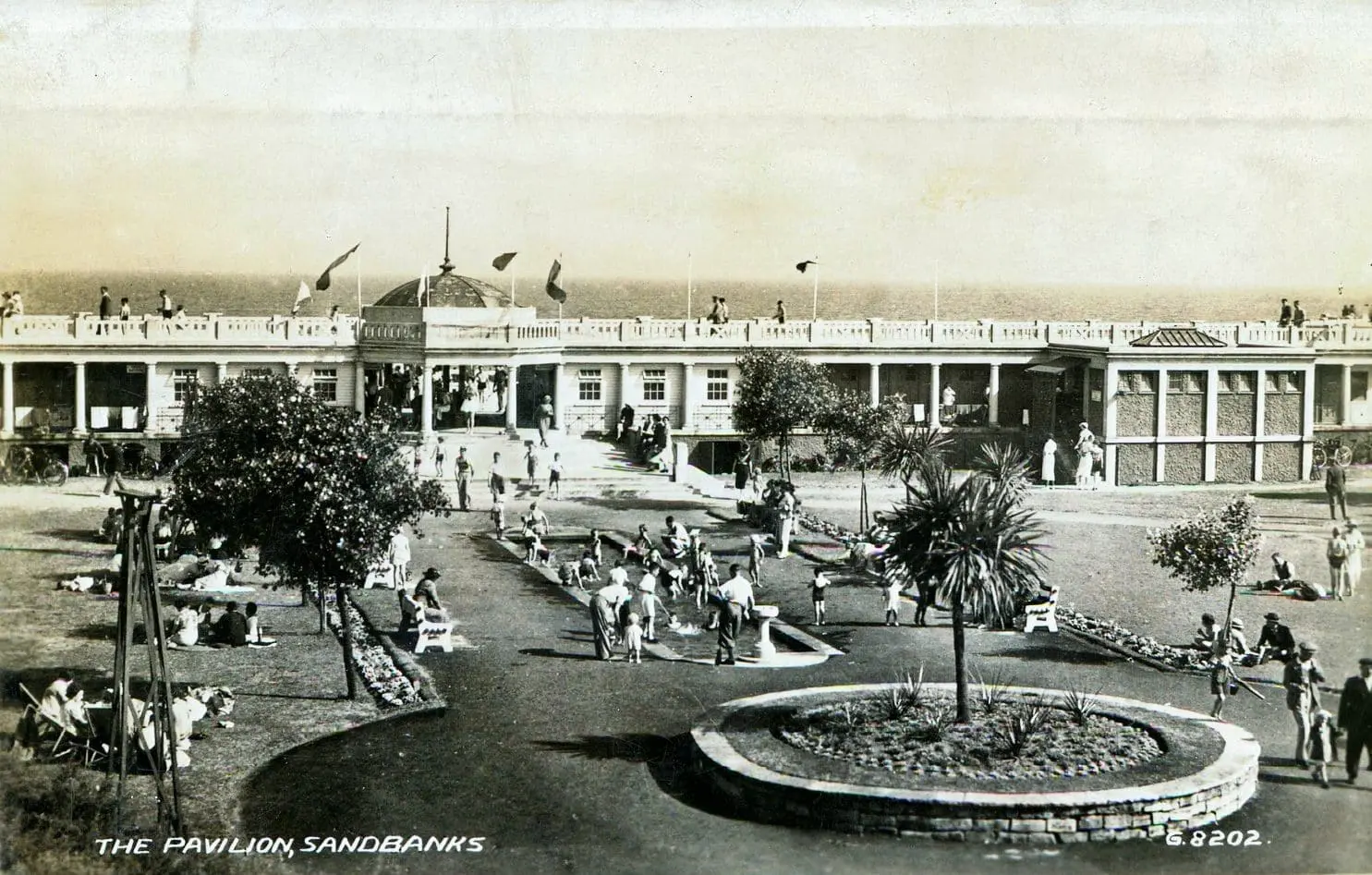
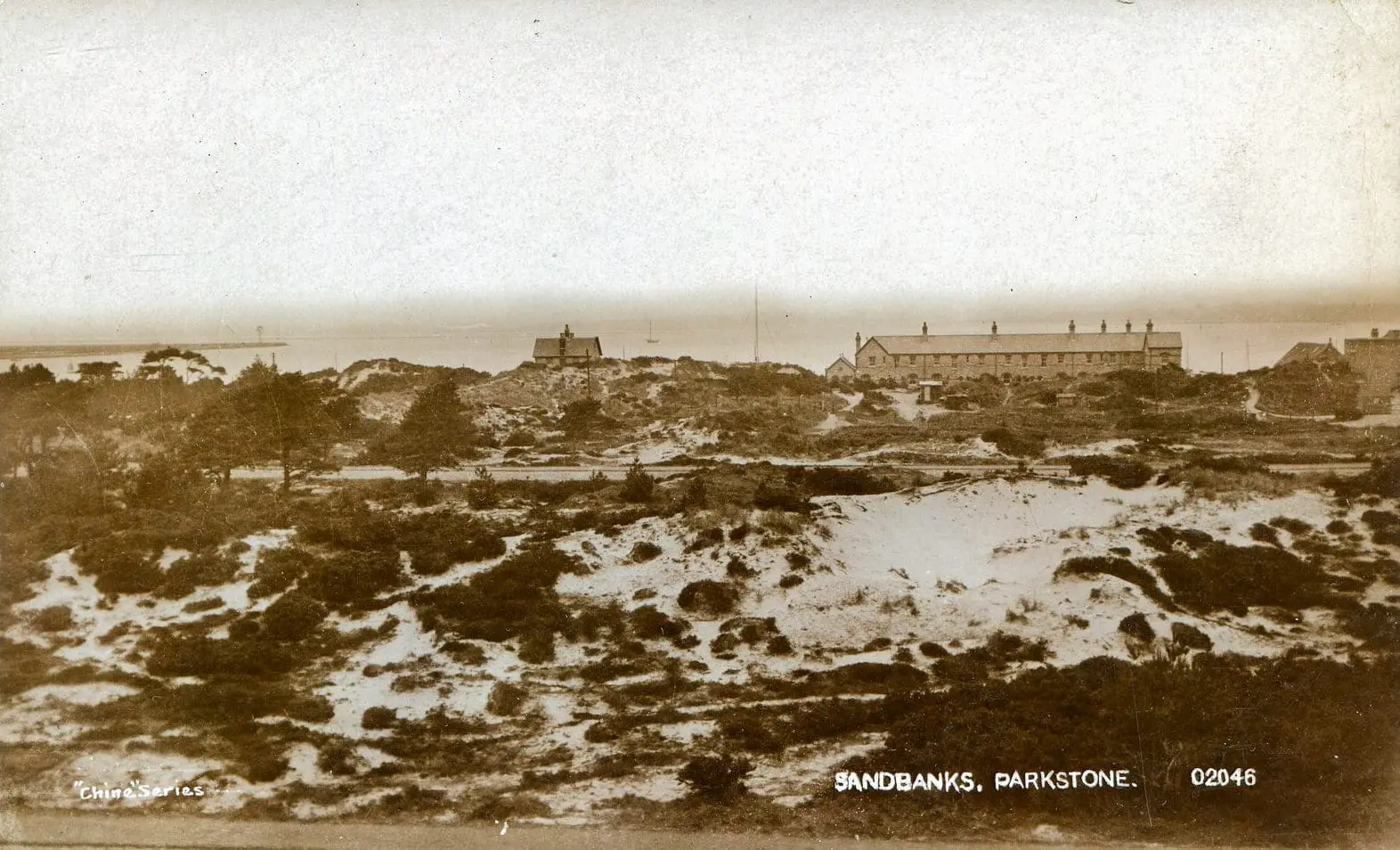
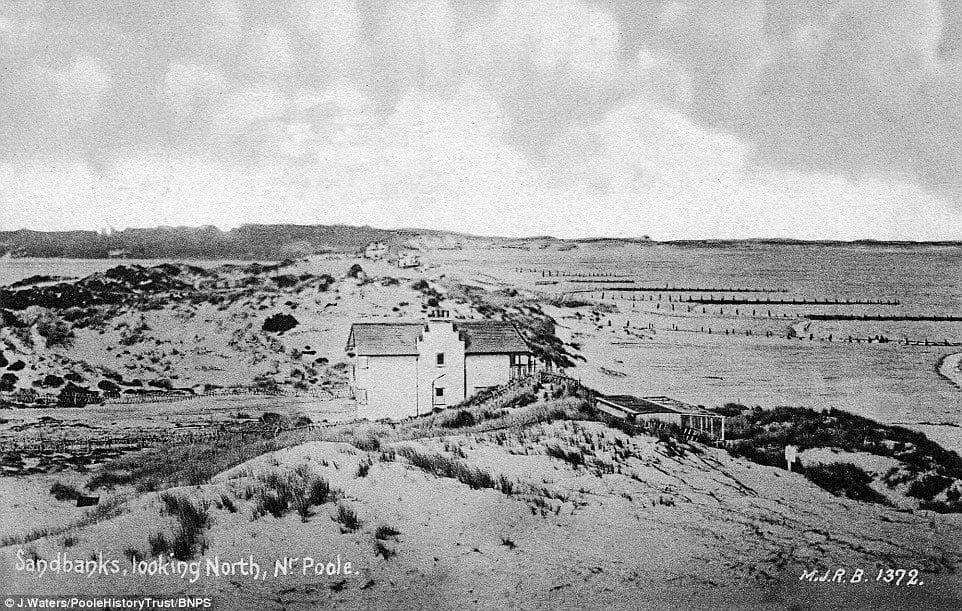
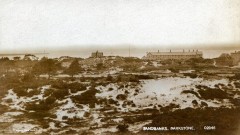
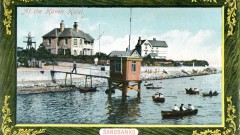
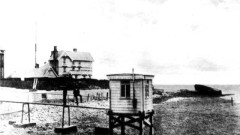
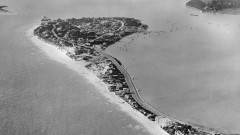
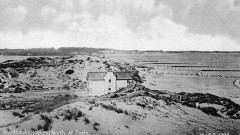
Before the 20th century, Sandbanks was a wild, shifting spit of sand. Completely cut off from Poole, it was frequented by the notorious local smuggler Isaac Gulliver and his men. The only permanent structure for decades was a solitary wooden lifeboat house, built in 1865 to rescue ships navigating the treacherous entrance to Poole Harbour.
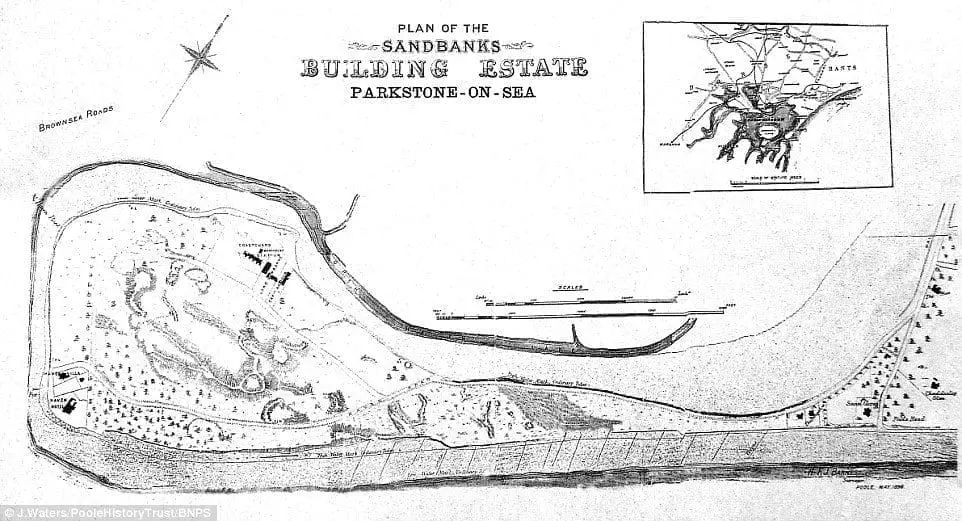
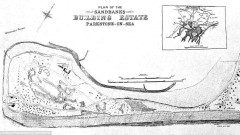
When winter storms threatened to wash the peninsula away entirely, the local landowner, Lord Wimborne, refused to pay for sea defences. The Poole Harbour Commissioners stepped in, building a sea wall to save the harbour channel. To recoup the costs, they auctioned off 40 plots of Sandbanks land at the Antelope Hotel in Poole. The starting price? Just £125 per plot.
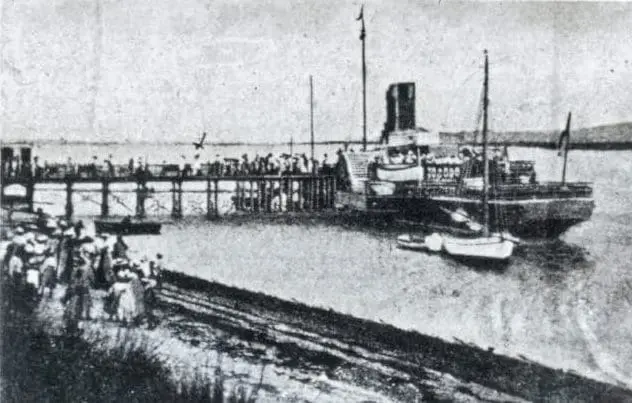
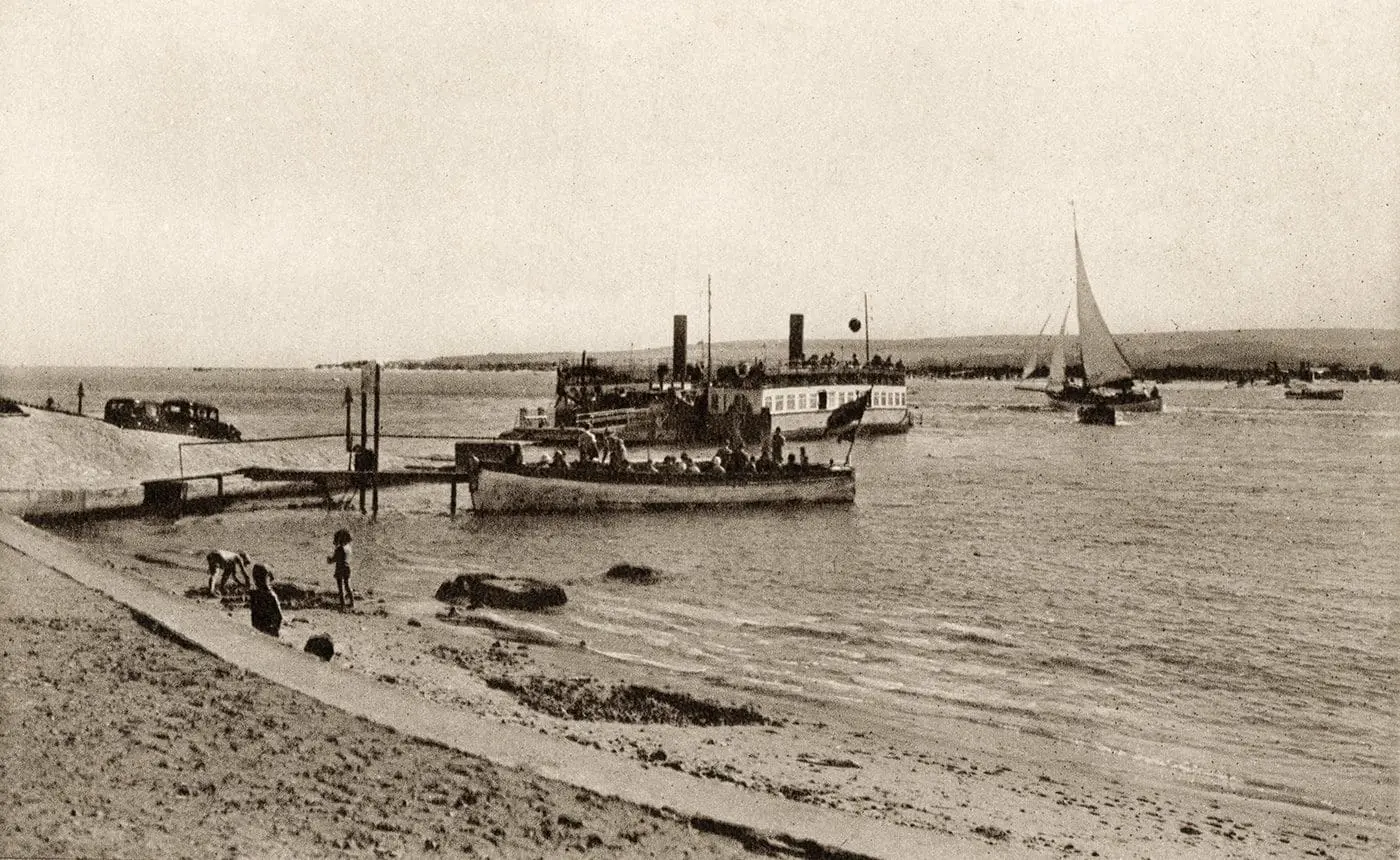
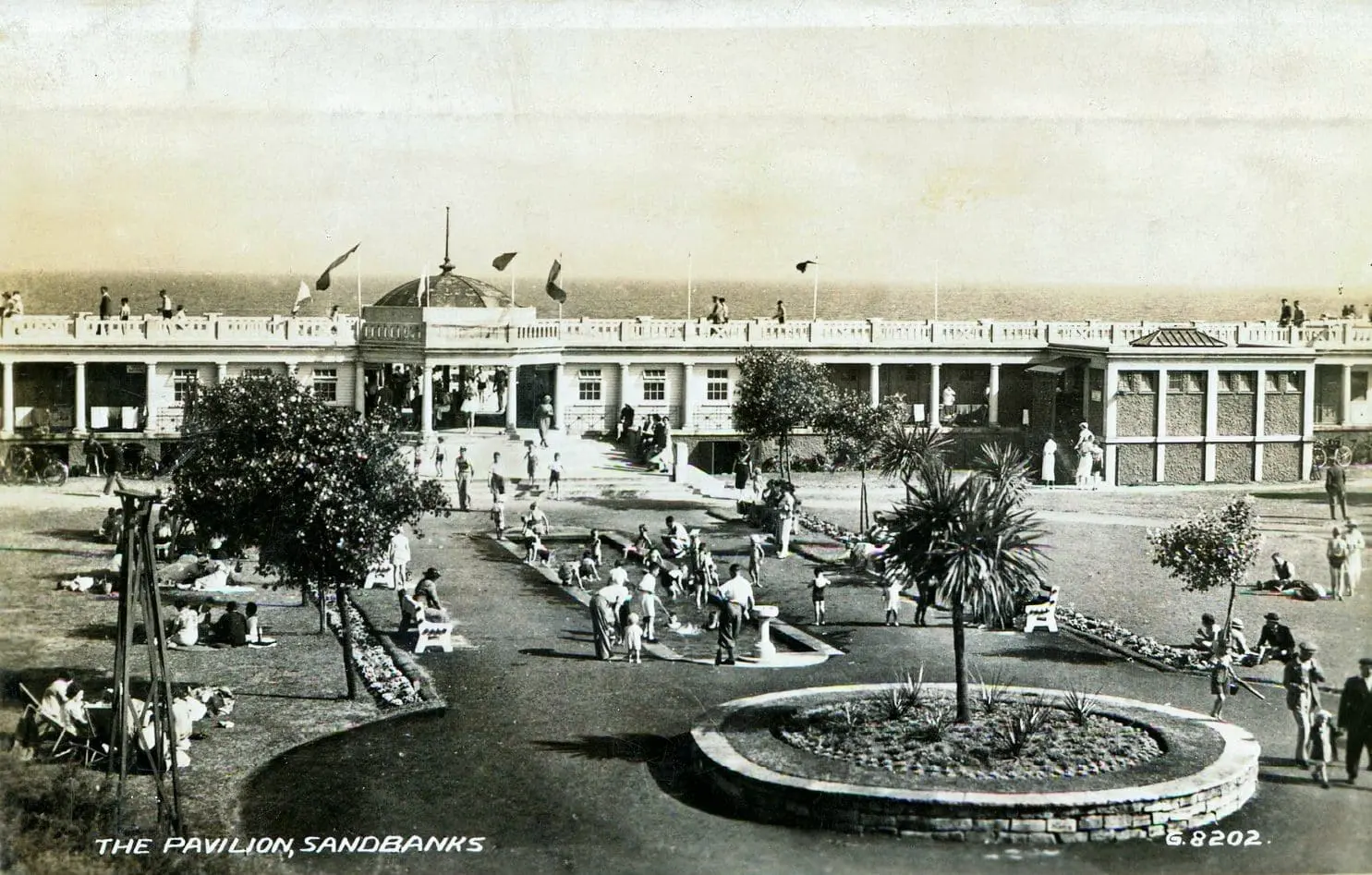
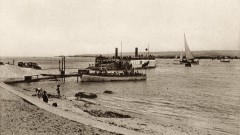
The peninsula slowly opened up. Returning WWI soldiers were employed to build the very first road connecting Sandbanks to the mainland. In 1926, the first steam-driven chain ferry began operating across the harbour mouth to Studland. Local legend Louie Dingwall also started a makeshift taxi service, ferrying visitors across the dunes in her Model T Ford.
During the Second World War, the luxury and leisure came to a sudden halt. Sandbanks was heavily fortified, the beaches were strung with barbed wire and anti-tank blocks, and the military requisitioned the hotels. Poole Harbour became a vital base for the RAF’s flying boats and a launch point for the D-Day landings.
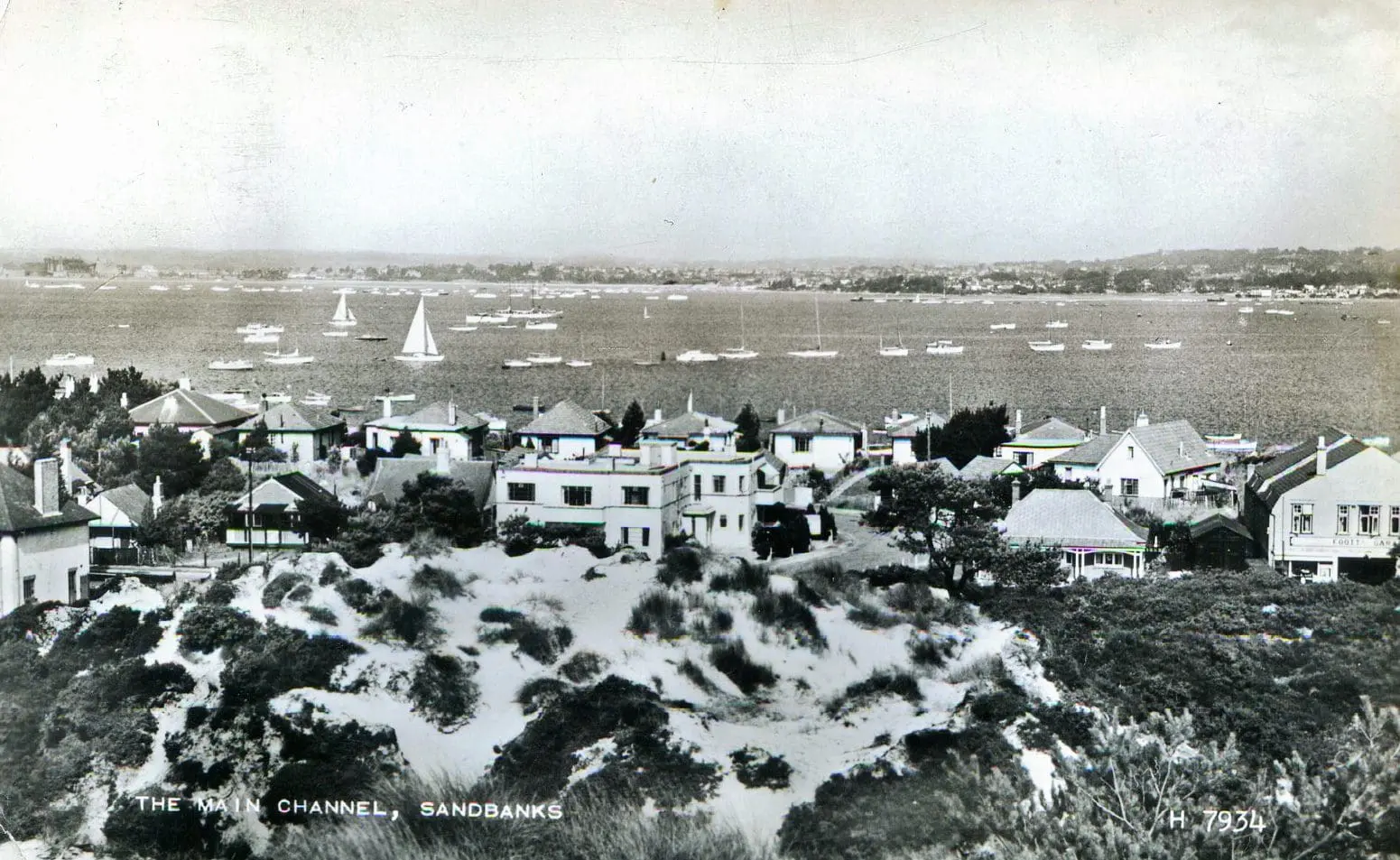
The post-war era brought an unprecedented property boom. In 1965, John Lennon famously purchased a waterfront home called Harbour’s Edge for his Aunt Mimi for £25,000. Since then, the original bungalows have been continually replaced by striking, ultra-modern mansions, transforming the peninsula into the fourth most expensive place to live in the world.
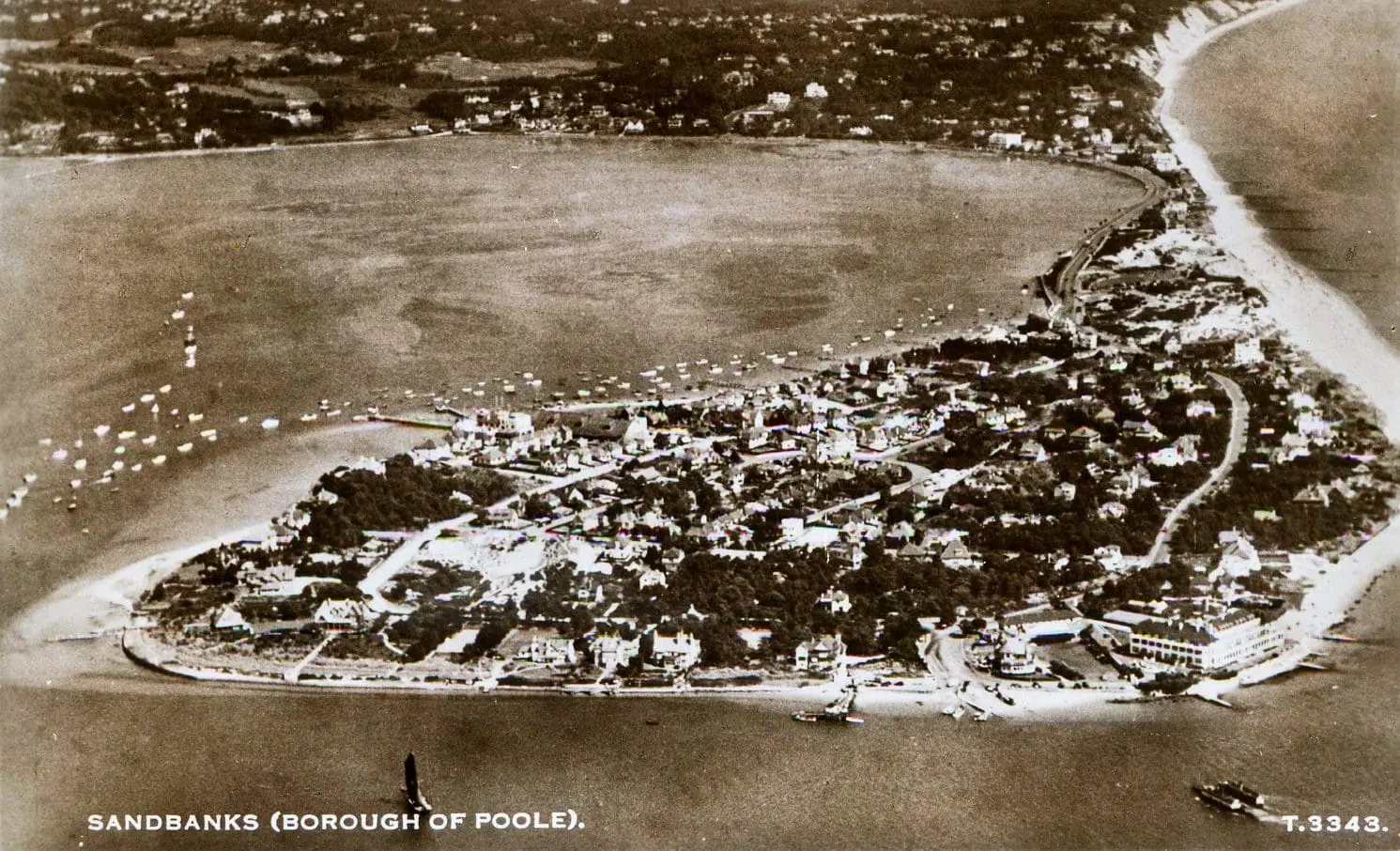
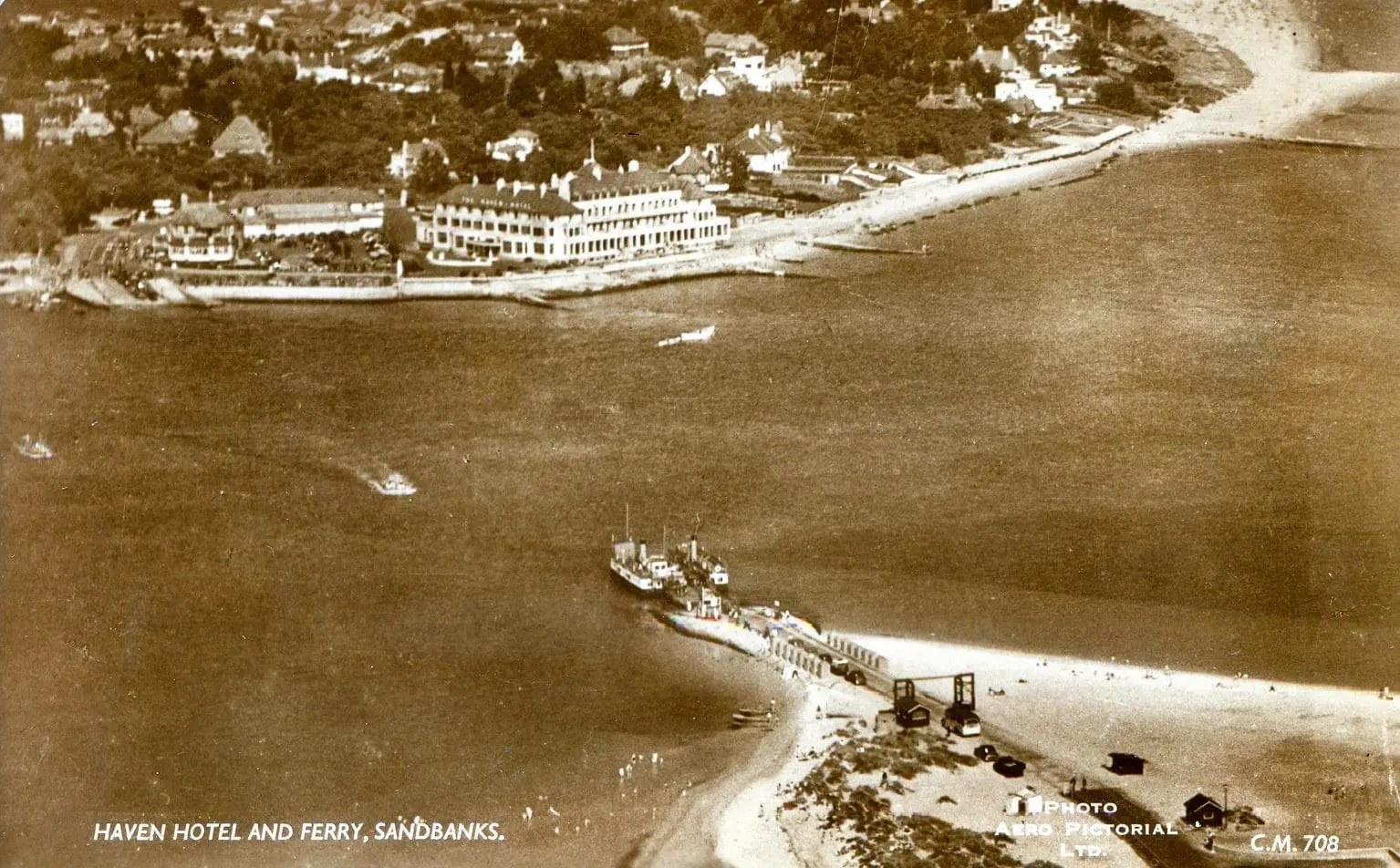
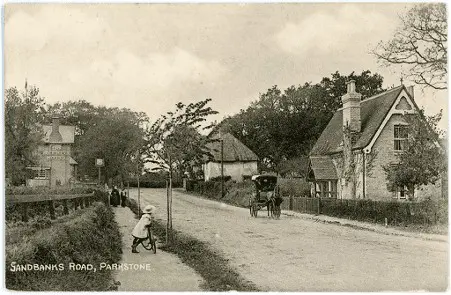





KEY MILESTONES
READ NEXT
Curious about the celebrities and locals who call the peninsula home?
Who Lives in Sandbanks?A Desolate Spit of Sand
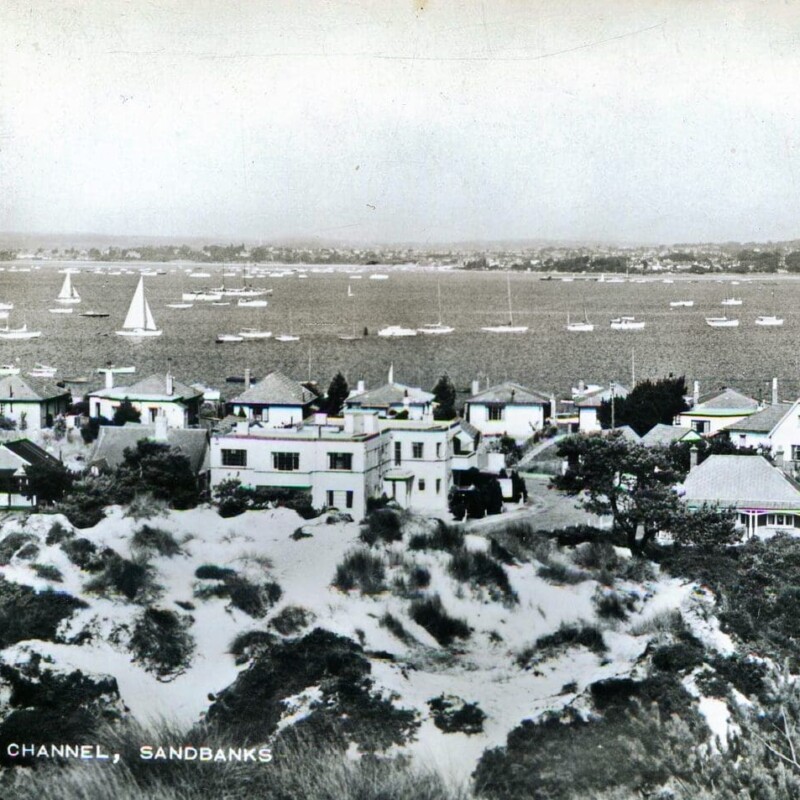
It is hard to imagine looking at the gleaming super-mansions today, but until the late 19th century, Sandbanks was considered largely worthless. It was a rugged, shifting dune system that acted as a natural breakwater for Poole Harbour. Because there were no roads, it was incredibly isolated. This isolation made it the perfect playground for local smugglers, most notably the infamous Isaac Gulliver, who used the hidden coves of the harbour to bring in untaxed wine, tea, and silk from the continent. The only brave souls to set up a permanent post were the RNLI, who built a wooden lifeboat station on the peninsula in 1865.
The Auction That Changed Everything
The turning point for Sandbanks came out of pure desperation. In the late 1880s, severe winter storms breached the dunes. There was a real fear that the sea would break through entirely, making Poole Harbour unnavigable. The land belonged to Lord Wimborne of the Canford Estate, but he refused to foot the massive bill for sea defences.
Stepping in to save their port, the Poole Harbour Commissioners took over the land and constructed a protective sea wall. To pay for the construction, they divided the peninsula into 40 lots and auctioned them off in 1896 at the Antelope Hotel in Poole High Street. Those plots, which now sell for several million pounds, were auctioned for around £125 each.
Pioneering Spirits and The First Road
The early residents of Sandbanks were true pioneers, building simple wooden bungalows and beach huts. There was no fresh water, no electricity, and crucially, no road. To get to the mainland, residents had to walk across miles of shifting sand or take a boat. It wasn’t until after the First World War that returning soldiers were employed to construct Banks Road, finally connecting the peninsula to nearby Canford Cliffs.
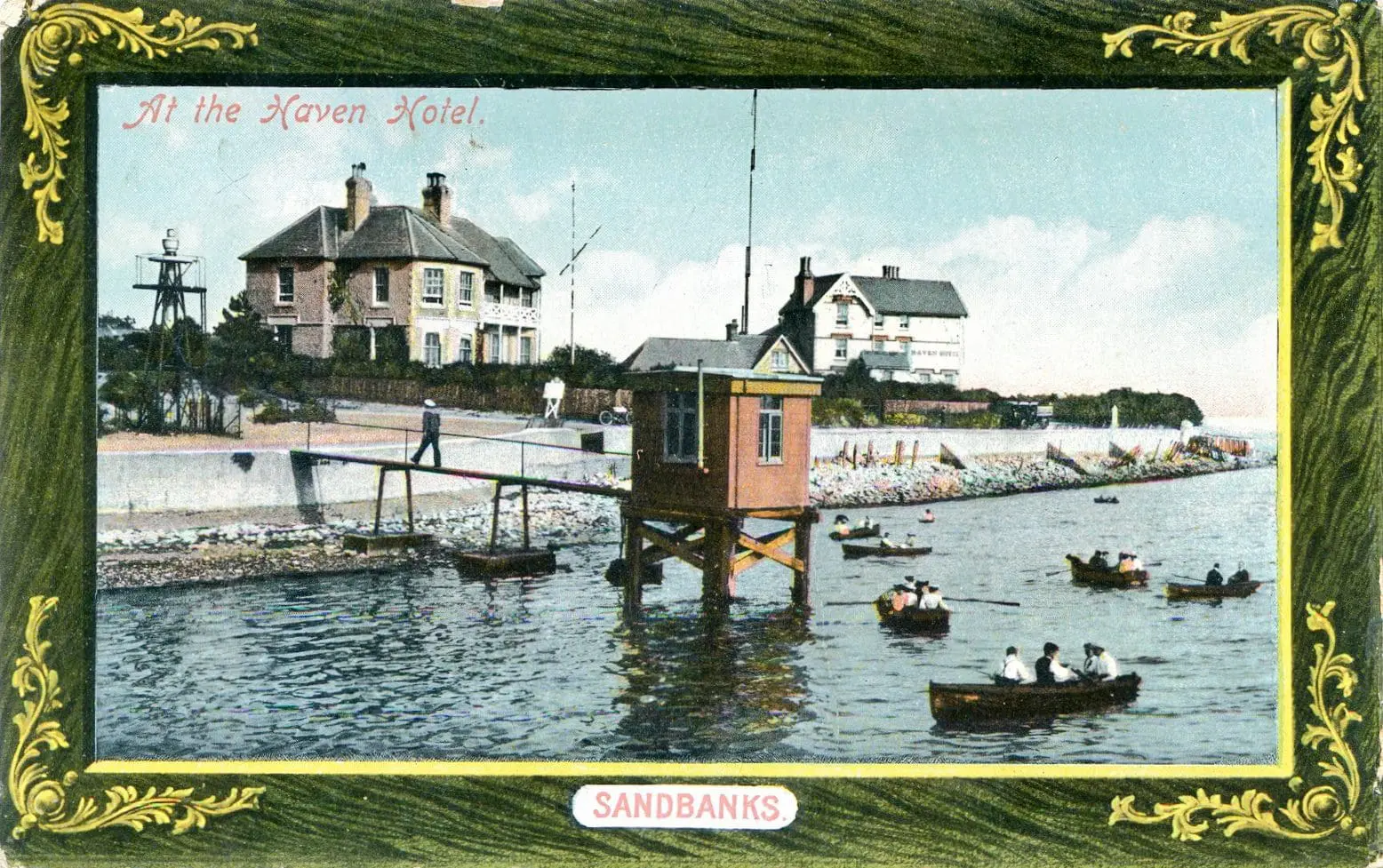
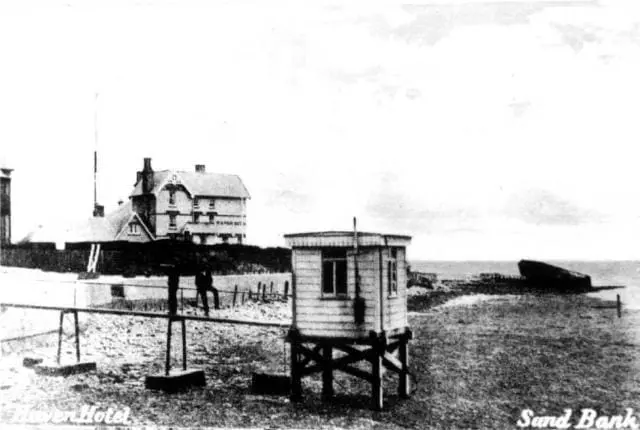
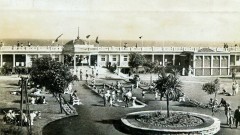
The 1920s brought the modern era to the coast. In 1926, the Sandbanks Chain Ferry was established, replacing the traditional rowing boats that took passengers over to Studland. Around this time, the remarkable Louie Dingwall—a famous local eccentric—ran a taxi service across the sandy tracks in her Ford Model T, while the iconic Haven Hotel played host to Guglielmo Marconi as he conducted his early wireless radio experiments.
A Haven for Literary Greats
While Sandbanks is world-renowned for its maritime history, military defenses, and modern mega-mansions, the peninsula and its surrounding coastline have also served as a profound source of inspiration for some of history’s greatest writers.
As the area transformed from a desolate stretch of sand into a fashionable coastal retreat in the late 19th and early 20th centuries, it began attracting brilliant minds seeking sea air and creative solitude. Thomas Hardy immortalized the bustling Poole Harbour and nearby Bournemouth in his famous “Wessex” novels. Just across the harbour in Studland, Enid Blyton spent weeks exploring the rugged Purbeck landscape, using it as the direct inspiration for her beloved Famous Five adventures.
The area even became a permanent home to literary giants. The legendary Lord of the Rings author, J.R.R. Tolkien, spent decades holidaying on the local cliffs before eventually retiring to Branksome Park, just a stone’s throw from the peninsula. Sandbanks itself even birthed television royalty—David Croft, the legendary comedy writer behind Dad’s Army and ‘Allo ‘Allo!, was born right here on the peninsula in 1922.
Curious to discover more about the legendary authors connected to our coastline? 📖 Read our full guide: Literary Dorset: 9 Famous Writers Linked to the Coast
The Peninsula at War
The growing seaside glamour was abruptly halted by the outbreak of World War II. Because of its strategic location guarding the second-largest natural harbour in the world, Sandbanks was transformed into a fortress. The golden beaches were covered in barbed wire, anti-tank blocks, and gun emplacements. Hotels were requisitioned by the military, and the harbour waters were filled with RAF Sunderland and Catalina flying boats. In 1944, the waters around the peninsula served as a massive staging area for the D-Day invasion fleet.
The Birth of Millionaires’ Row
As the country rebuilt in the 1950s and 60s, Sandbanks became a highly fashionable retreat. The tipping point into global fame arguably occurred in 1965, when The Beatles were at the height of their global fame. John Lennon purchased a luxury property on the peninsula, Harbour’s Edge, for his beloved Aunt Mimi. He paid £25,000 for it—a staggering sum at the time. Mimi lived there happily until her passing in 1991, and Lennon was a frequent visitor to the Dorset coast.
Modern Day: Britain’s Palm Beach
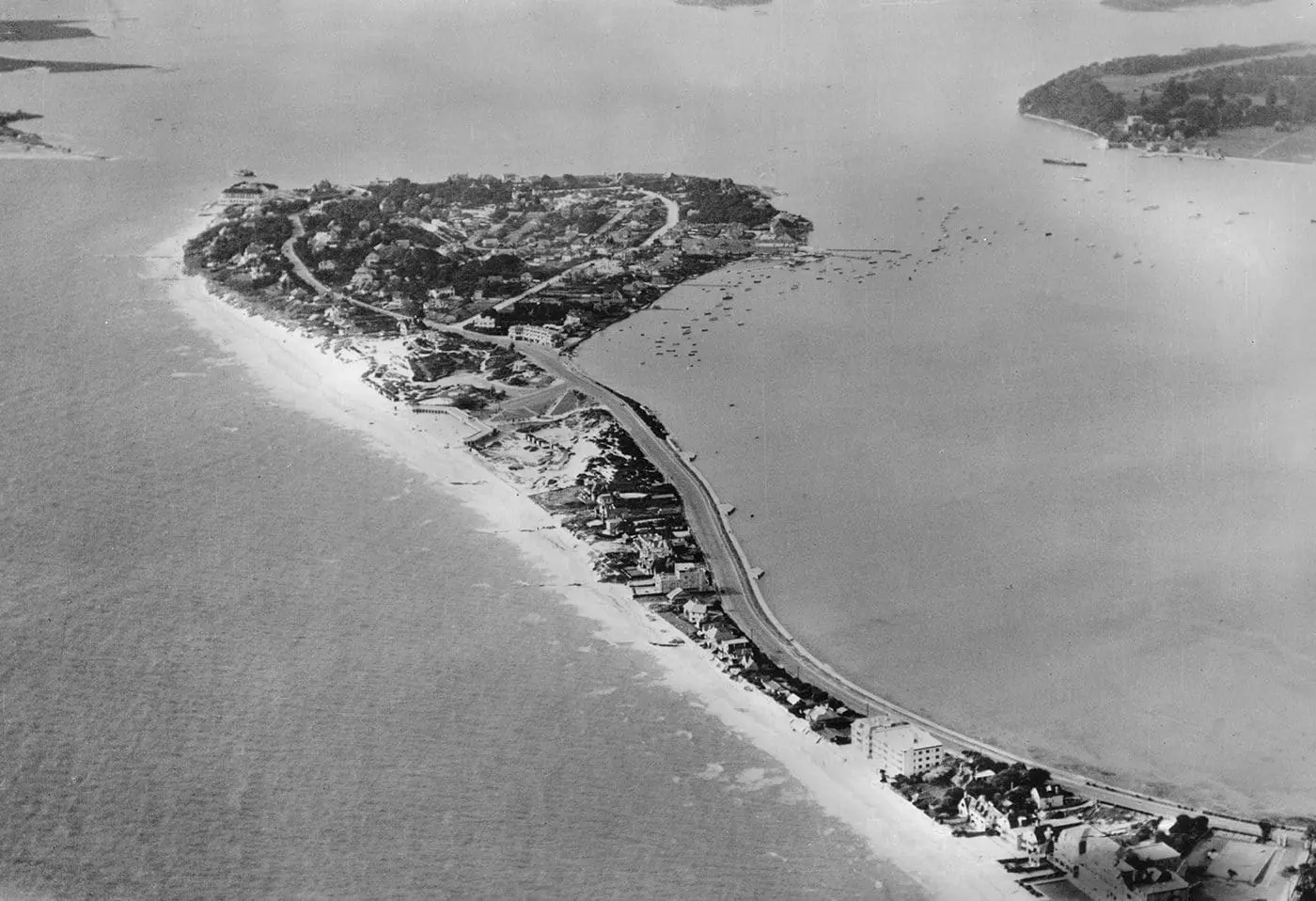
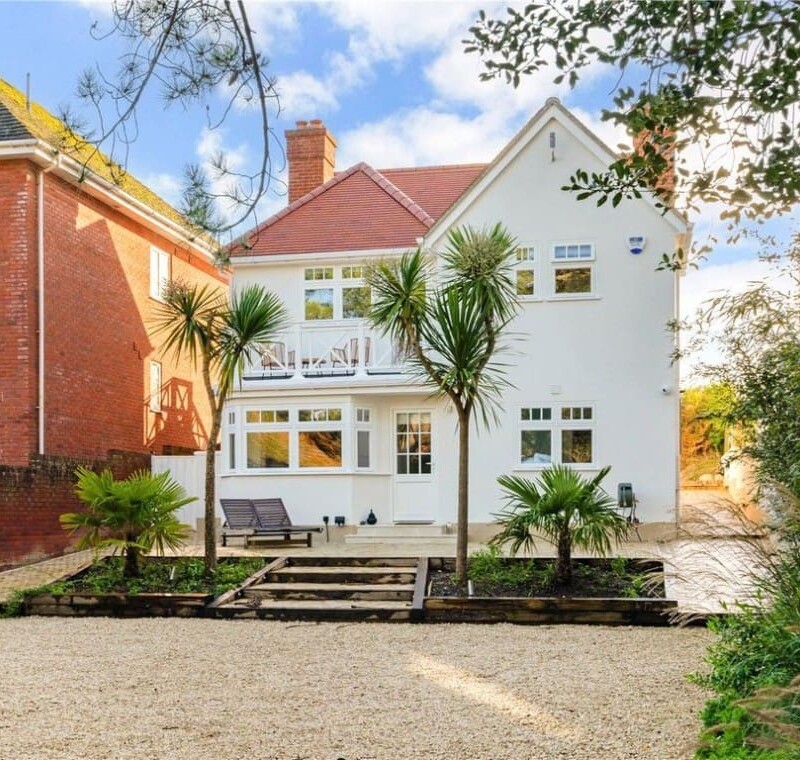
From the 1990s onward, property values on the peninsula skyrocketed. The modest bungalows built by the early pioneers were systematically bought, demolished, and replaced by incredible feats of modern, glass-fronted architecture. Today, Sandbanks frequently ranks as having the fourth highest land value by area in the world, trailing only behind Manhattan, Tokyo, and Mayfair.
Yet, despite the staggering wealth and global fame, the peninsula remains true to its roots. The beaches remain open, meticulously clean, and consistently awarded the prestigious Blue Flag, allowing everyone to enjoy this remarkable, historic stretch of the Dorset coast.
Experience this historic peninsula
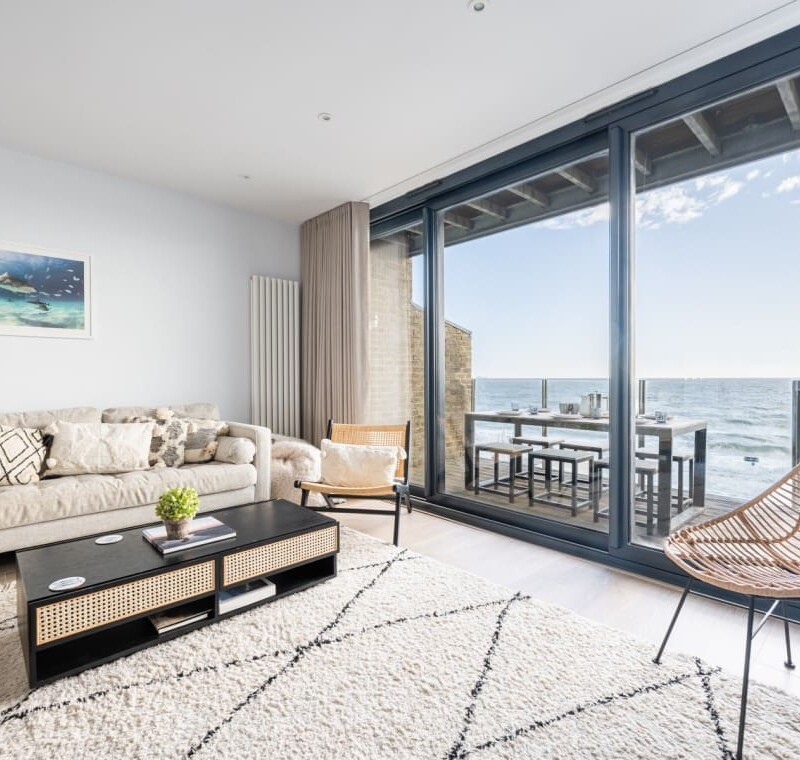
From Victorian pioneers to modern-day luxury. Secure your luxury seaside accommodation and explore the rich history of the Dorset coast today.

From Desolate Dunes to Britain’s Palm Beach
It is hard to believe that one of the most exclusive and expensive stretches of coastal real estate in the world was once considered practically worthless. In the late 19th century, Sandbanks was little more than a desolate, shifting sand spit known as “Parkstone-on-Sea.”
The transformation began when the local landowner, Lord Wimborne, refused to pay for vital sea defenses. Consequently, the land passed to the Poole Harbour Commission, who, in 1896, decided to auction off 40 plots of land to fund the sea walls. Those first plots sold for just £125 each. Slowly, pioneers moved in. The famous Haven Hotel was built in 1880, acting as a crucial base for Guglielmo Marconi, who conducted some of his very first wireless telegraph experiments from its balconies in the late 1890s.
Frequently Asked Questions
What happened to Sandbanks during World War II?
During WWII, the glamour of Sandbanks was completely paused. The peninsula was heavily fortified against potential coastal invasion. The beautiful beaches were lined with barbed wire and anti-tank concrete blocks, and many of the luxury homes were requisitioned by the military. Poole Harbour also served as a crucial base for military flying boats.
Which famous authors have connections to Sandbanks?
The historic Haven Hotel, located right at the tip of the peninsula, has hosted several literary giants. Both J.R.R. Tolkien (author of The Lord of the Rings) and Enid Blyton (author of The Famous Five) were known to holiday there. It is said that the spectacular views of the Dorset coastline and Purbeck Hills helped inspire some of their famous fictional landscapes.
Did John Lennon buy a house in Sandbanks?
Yes! In 1965, at the absolute height of Beatlemania, John Lennon bought a luxury waterfront property on Sandbanks for his beloved Aunt Mimi. He paid £25,000 for the house, which featured stunning views over Poole Harbour. Aunt Mimi lived there happily until she passed away in 1991.
Why is Sandbanks known as Millionaires' Row?
Sandbanks earned this nickname due to its astronomically high property values. Following a post-war boom and a surge in demand for luxury waterfront living, prices skyrocketed. Today, it is widely reported to have the fourth-highest land value by area in the world, trailing only places like Manhattan, Tokyo, and Hong Kong.
How much was Sandbanks originally sold for?
It is hard to believe looking at it today, but in 1899, the local landowner Lord Wimborne sold the entire Sandbanks peninsula at auction for just £200! Before the first road was built and development began in the early 1900s, it was considered a desolate, windswept spit of sand used mostly by smugglers, customs officers, and fishermen.