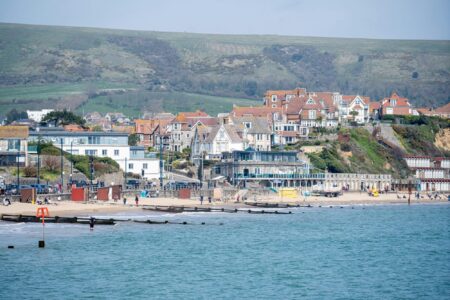
While thousands of visitors flock to Sandbanks Beach on a sunny day, those in the know slip away to Luscombe Valley.
This incredibly peaceful, 10-acre nature reserve feels like a different world entirely. Protected by national and international law from development, it is a place of complete tranquillity where you can leave the hustle and bustle behind, listen to the warblers in the gorse, and simply be at one with nature.
Because it is a protected reserve, there is no dedicated car park, making it a true hidden secret.
-
The Walk: Leave Shore Road at the eastern end of the beach and walk inland with the harbour on your left. Cross the junction with Haven Road, and in a couple of hundred yards, you will reach the junction with Brudnell Avenue.
-
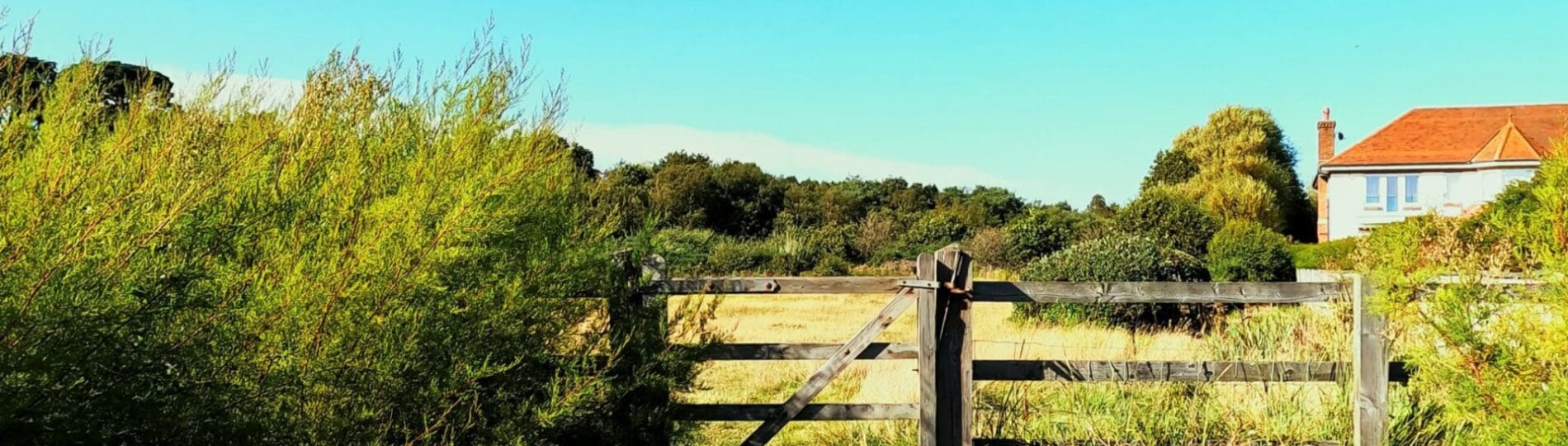
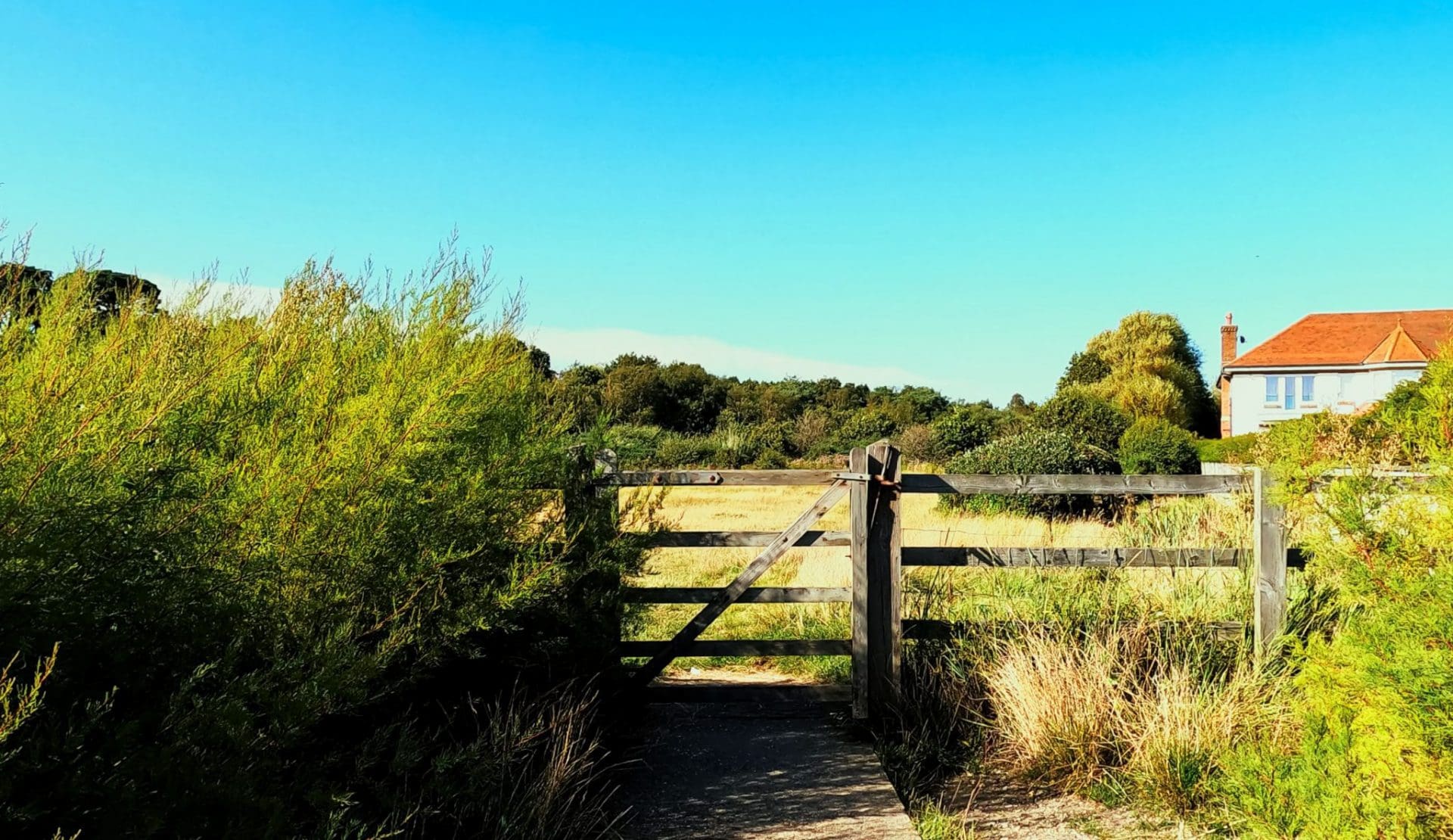
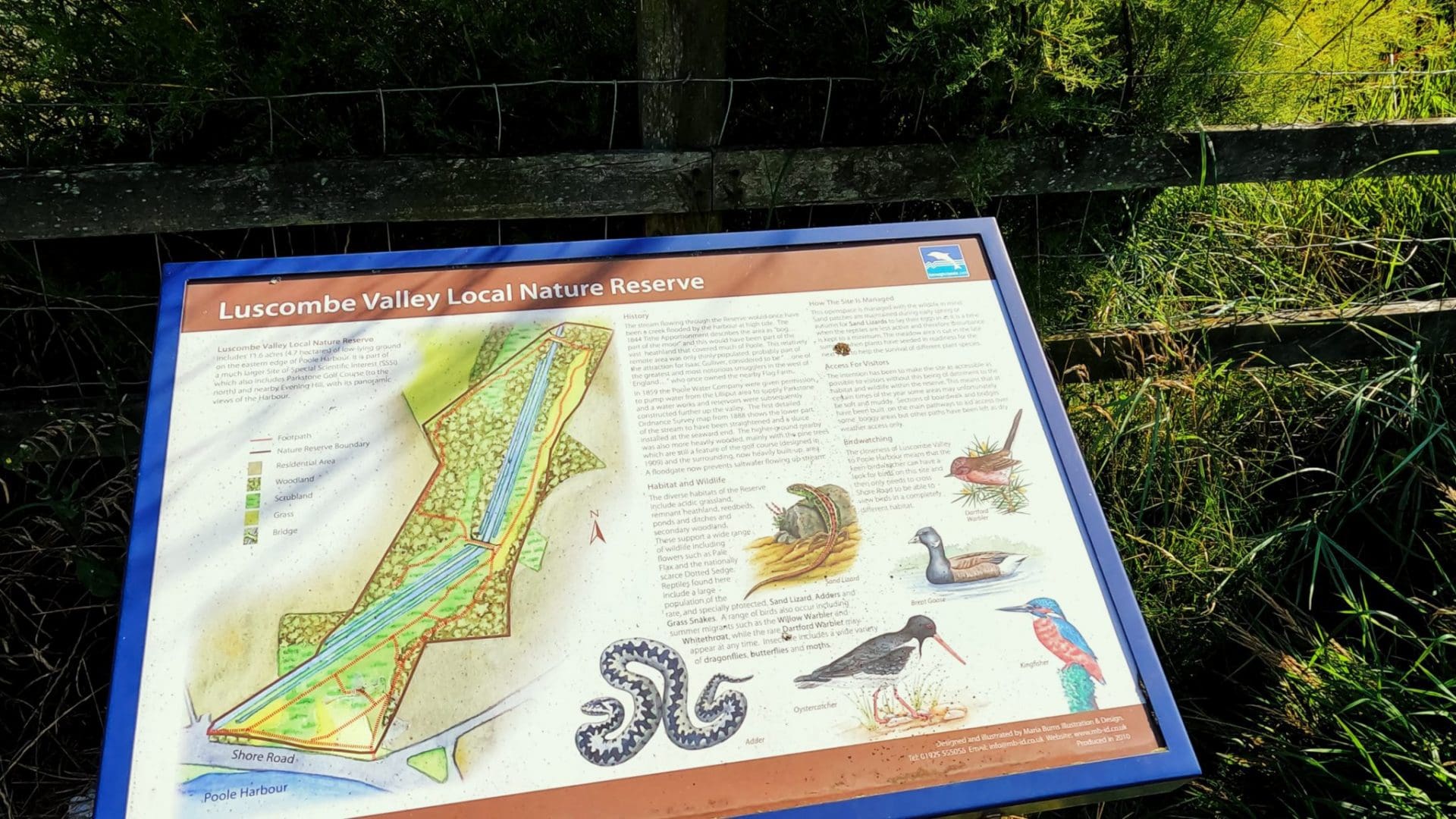
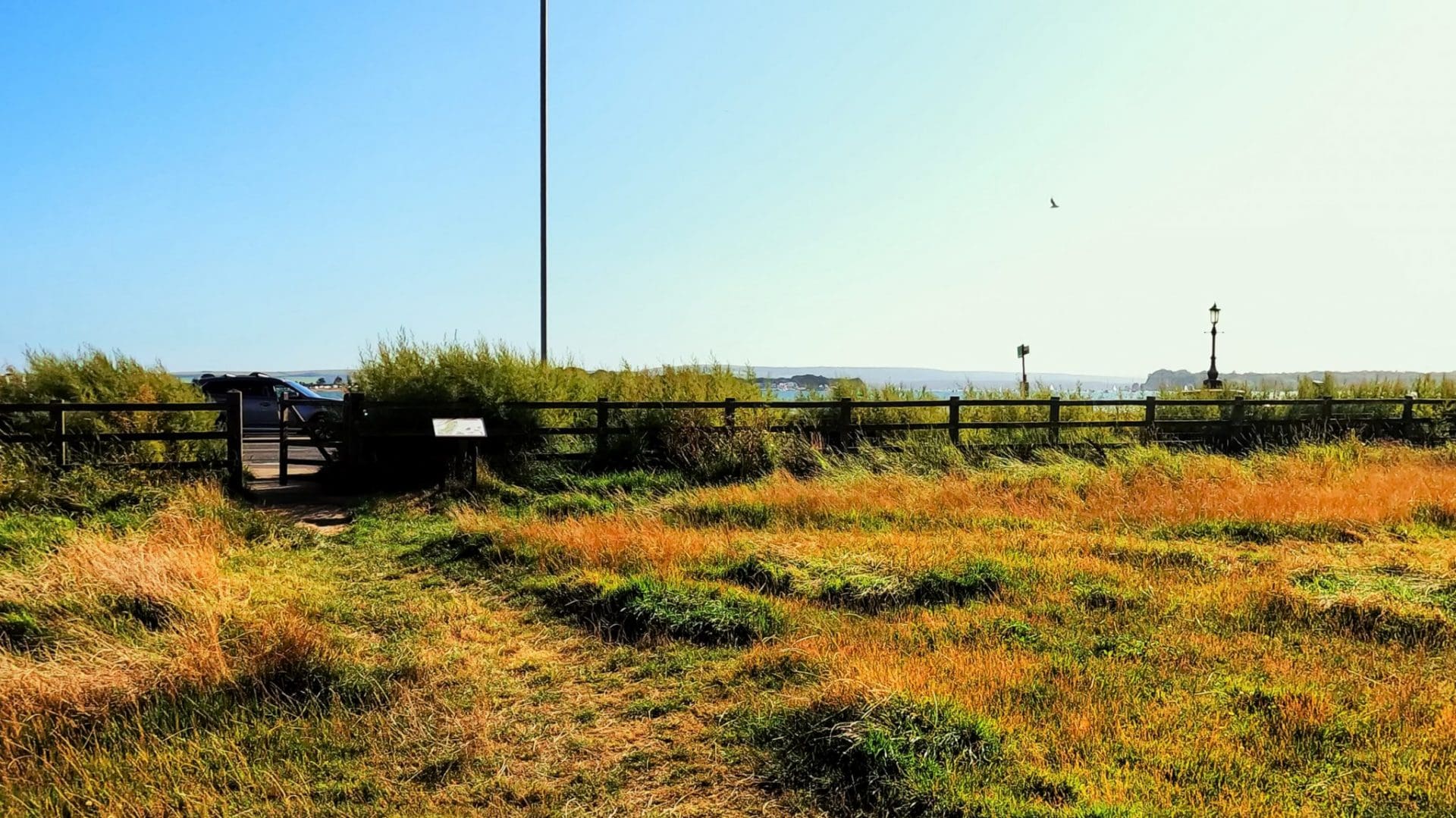
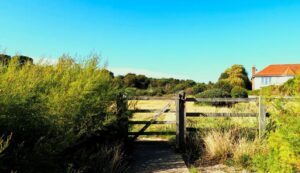
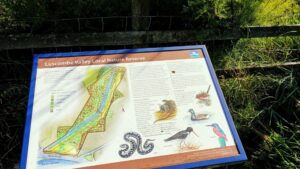
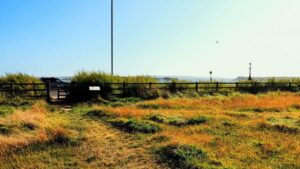
The Entrance: Look for the unassuming wooden gate and the main information board just to your left. Step through, and the circular trail begins.
-
Parking: If you are not walking from the beach, there is limited, unrestricted street parking on the surrounding residential roads (please park considerately).
The reserve changes dramatically with the seasons, offering unique wildlife sightings year-round.
-
Summer: The absolute best time for reptile spotting. Visit midday when the sun is highest to see the rare lizards basking on patches of bare sand.
-
Spring: An incredible time for birdwatchers as migratory birds return and the Dartford Warblers are highly active in the blooming gorse.
-
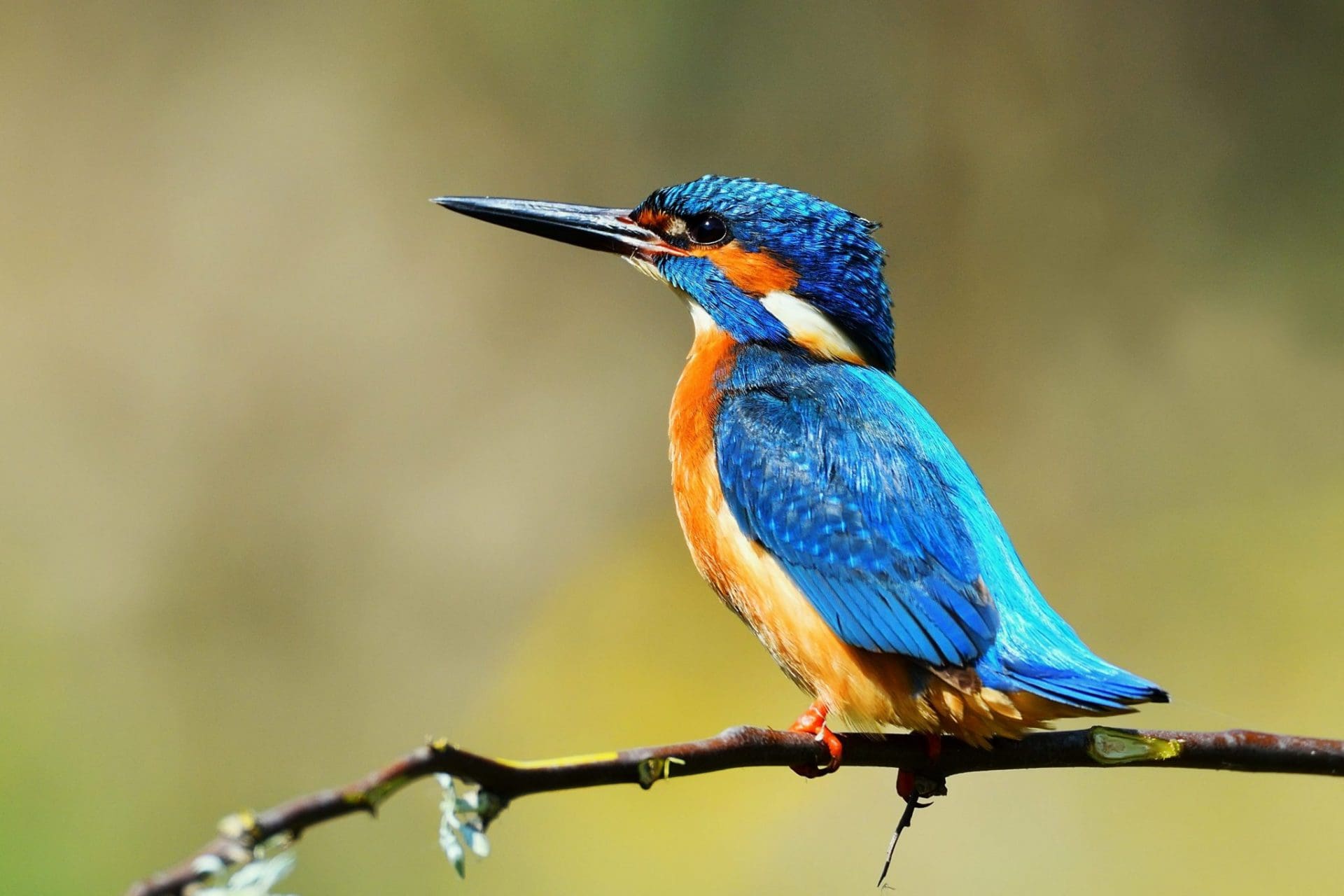
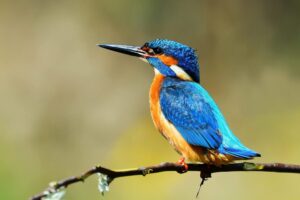
Early Morning: The most tranquil time of day to catch a flash of blue from a hunting kingfisher.
Because it is a wild, protected SSSI, the terrain is kept as natural as possible.
-
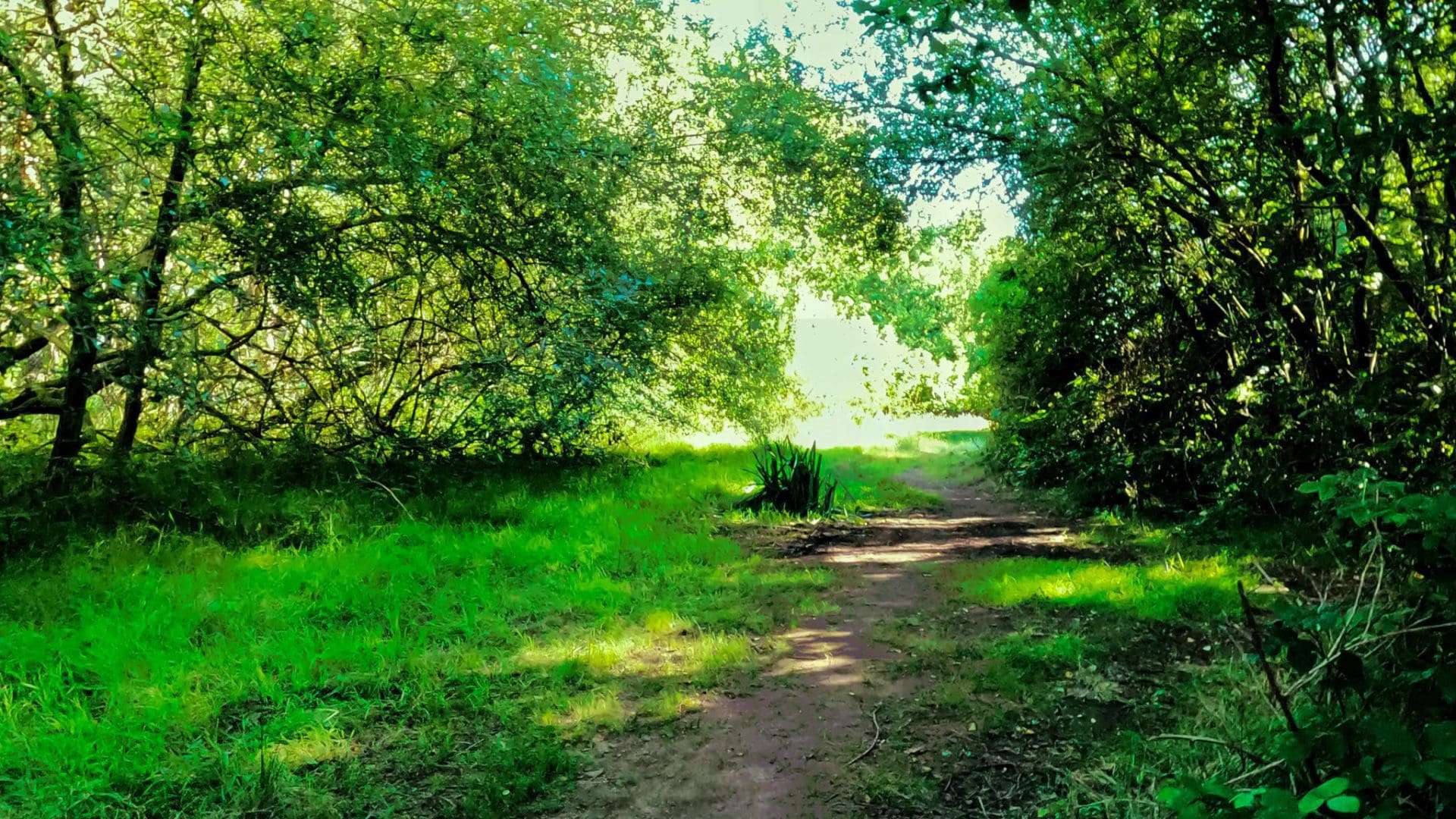
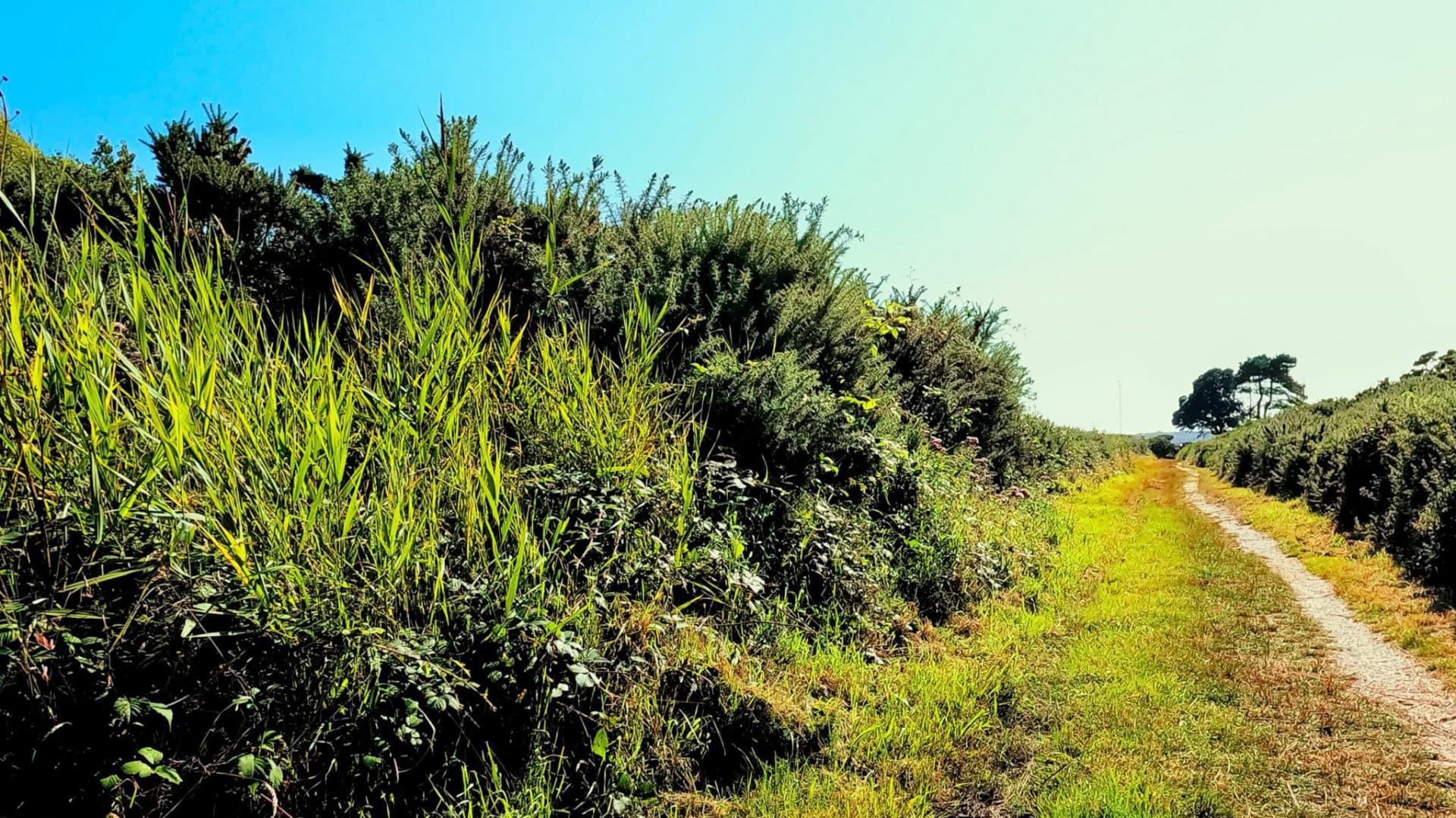
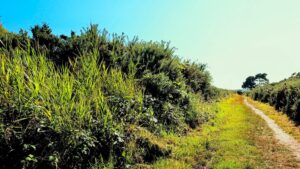
The Paths: The circular trail consists of uneven dirt tracks, grassy paths, and sandy heathland.
-
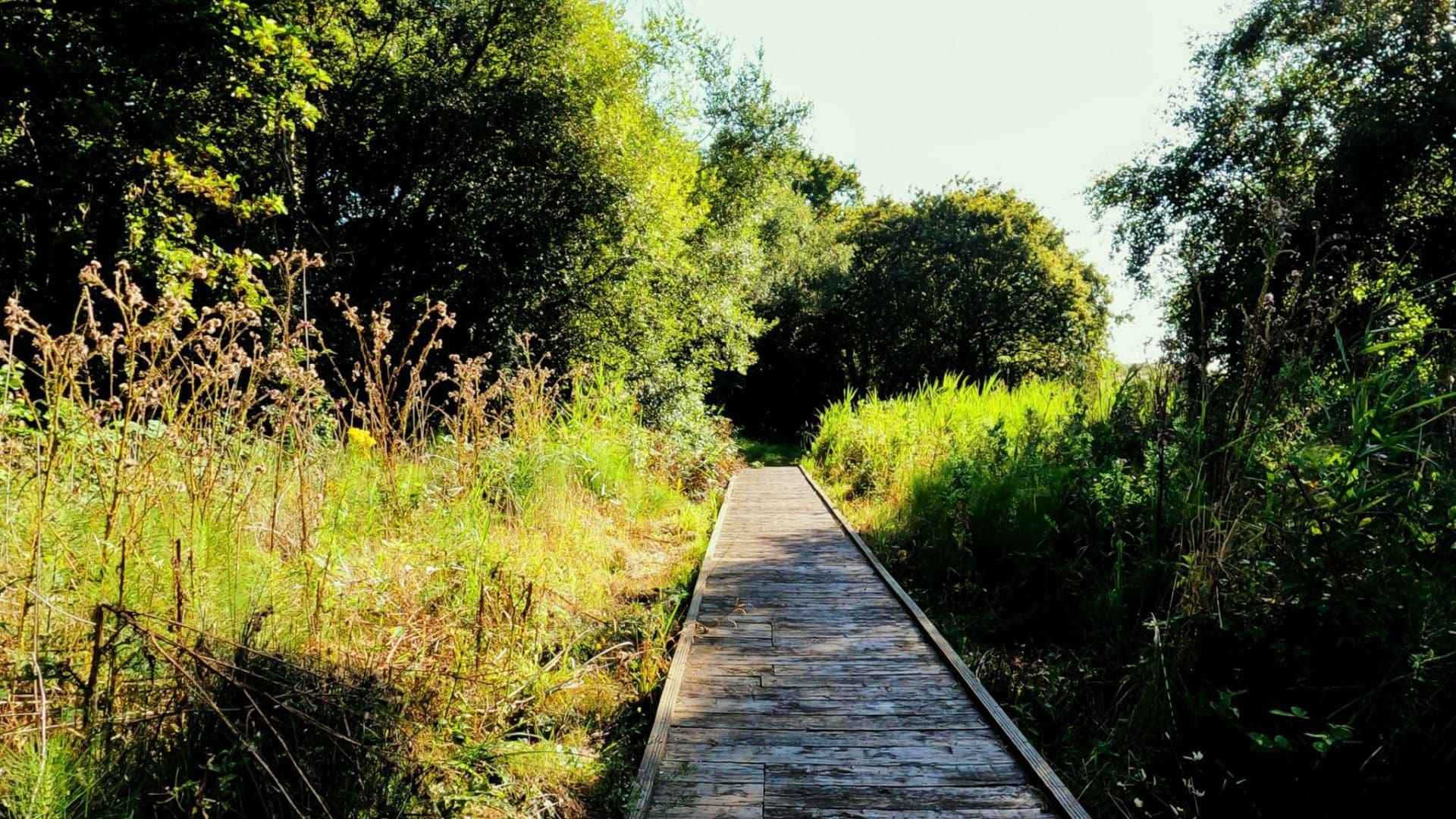
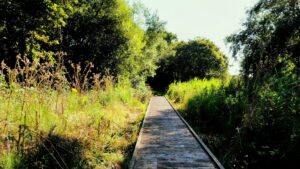
The Boardwalks: To navigate the wet woodland and reed beds, the trail features timber stepping blocks and raised wooden walkways. While beautiful, this makes the reserve largely unsuitable for wheelchairs, mobility scooters, or standard pushchairs.
-
Seating: There are several wooden benches dotted along the grassland for quiet reflection.
The nature reserve is completely free to enter and open to the public 24/7.
-
Best Light: Dawn and dusk offer the most atmospheric experiences, though midday is best for spotting reptiles.
-
Facilities: There are no toilets or cafes on-site to protect the habitat. The nearest facilities are back on the main Sandbanks promenade.
Perfect for
Map Directions
A Protected Coastal Habitat
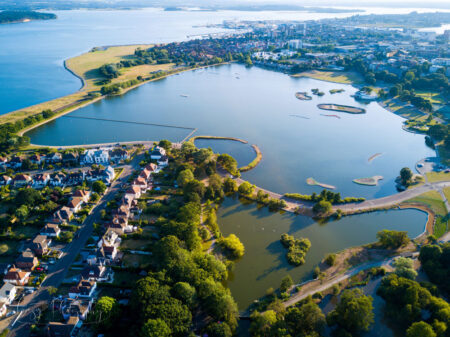
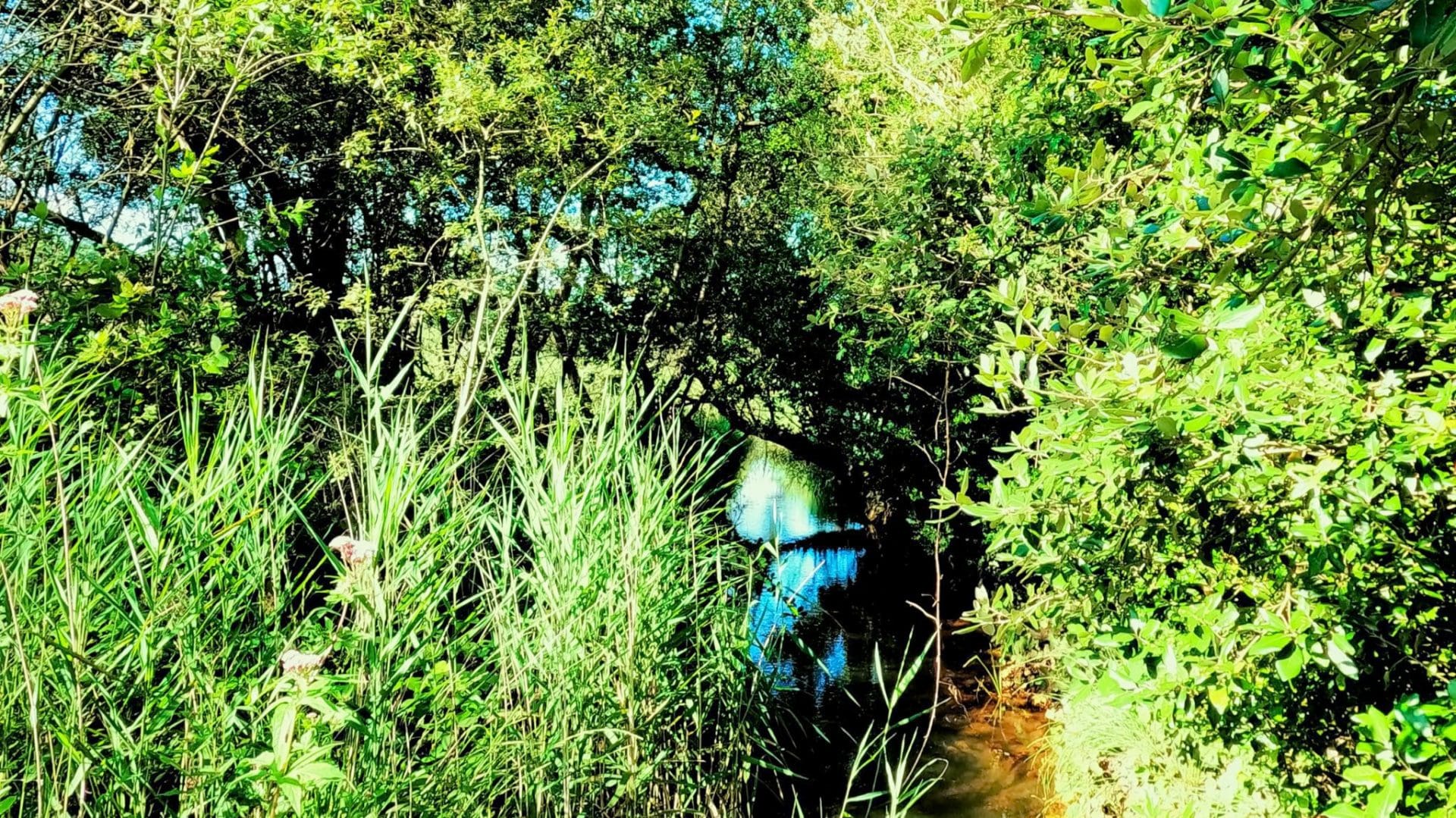
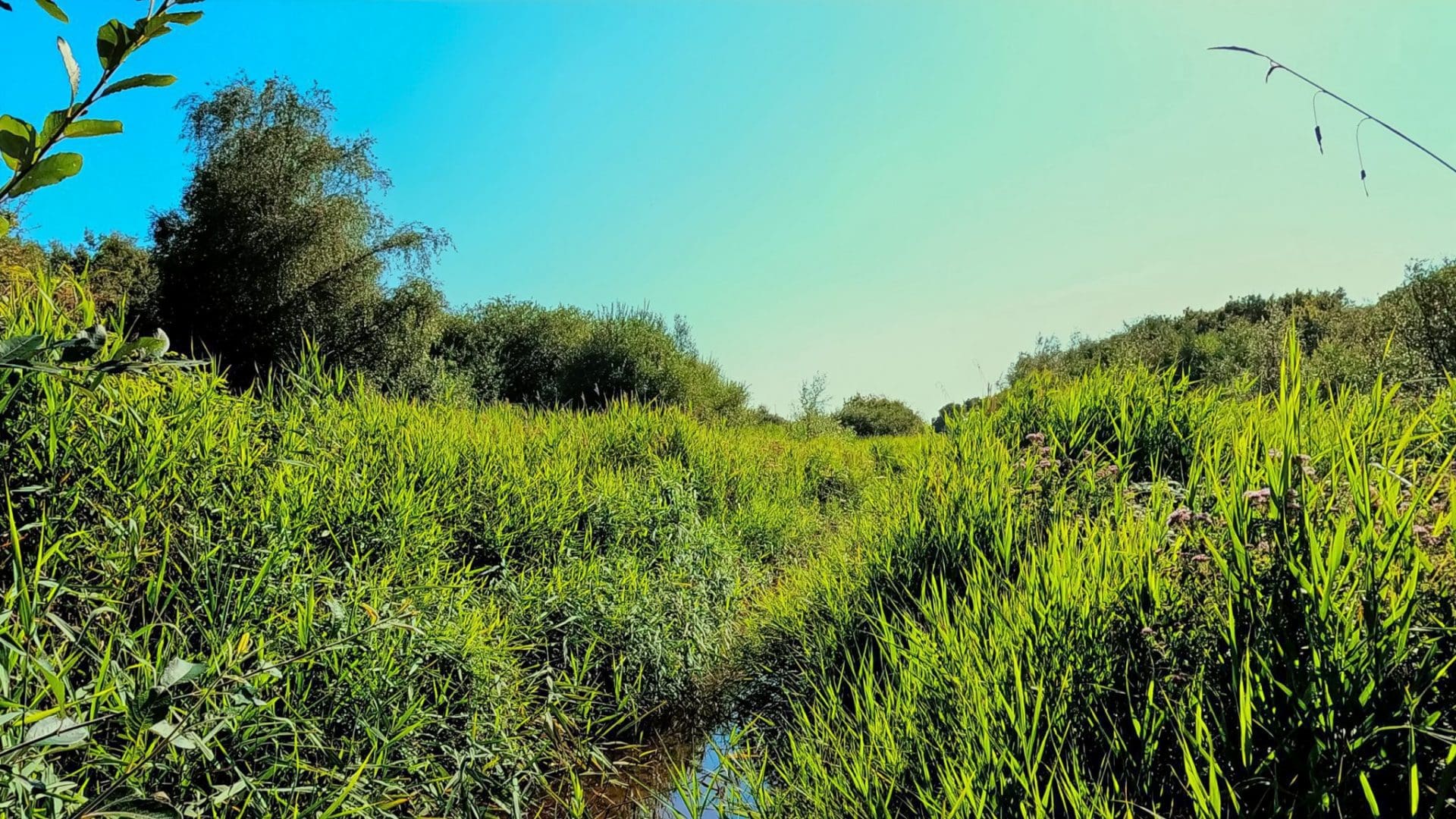
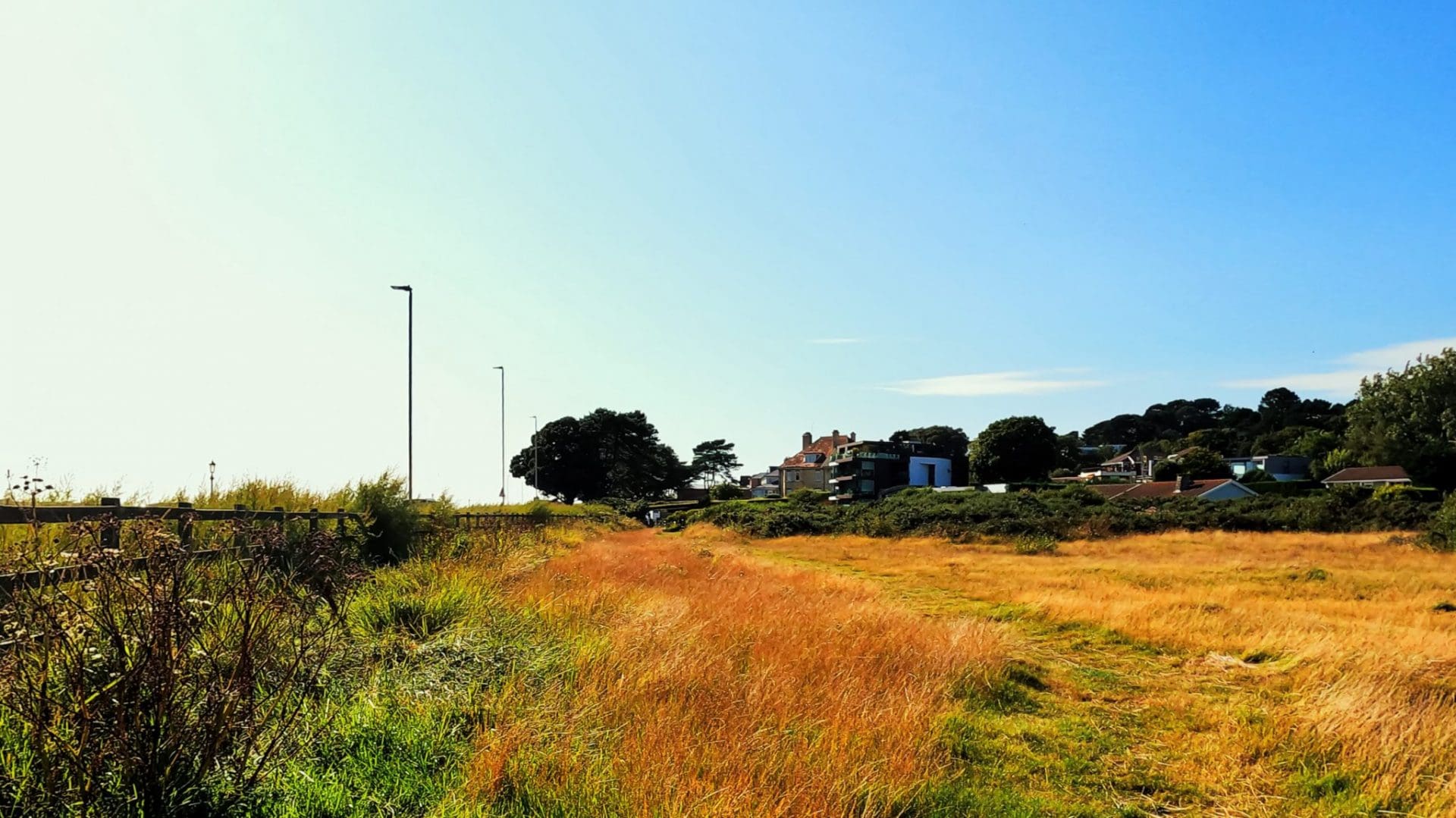
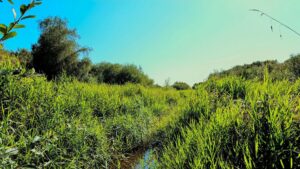
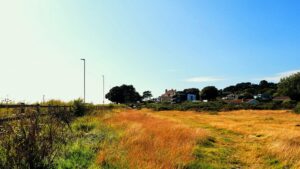
Luscombe Valley is uniquely positioned right on the edge of Poole Harbour. As you follow the circular trail, you will walk through a rich tapestry of different habitats, including open areas of yellow gorse, grassy meadows, and wet woodland. One of the most beautiful features is the freshwater stream that flows directly through the valley’s seasonal ponds and sweeping reed beds before emptying into the harbour. These reeds act as a natural filter, swaying in the gentle breeze while keeping the water beautifully clean.
Spotting Rare Reptiles
Because the reserve features dry, sandy heathland, it is a vital, protected sanctuary for British reptiles. If you walk quietly and keep your eyes peeled on the bare patches of sand and sun-baked logs, you may be lucky enough to spot the incredibly rare Sand Lizard basking in the midday heat. The rustle you hear in the long grass might also be a shy (and completely harmless) Grass Snake, or occasionally, a native Adder.
A Birdwatcher’s Paradise
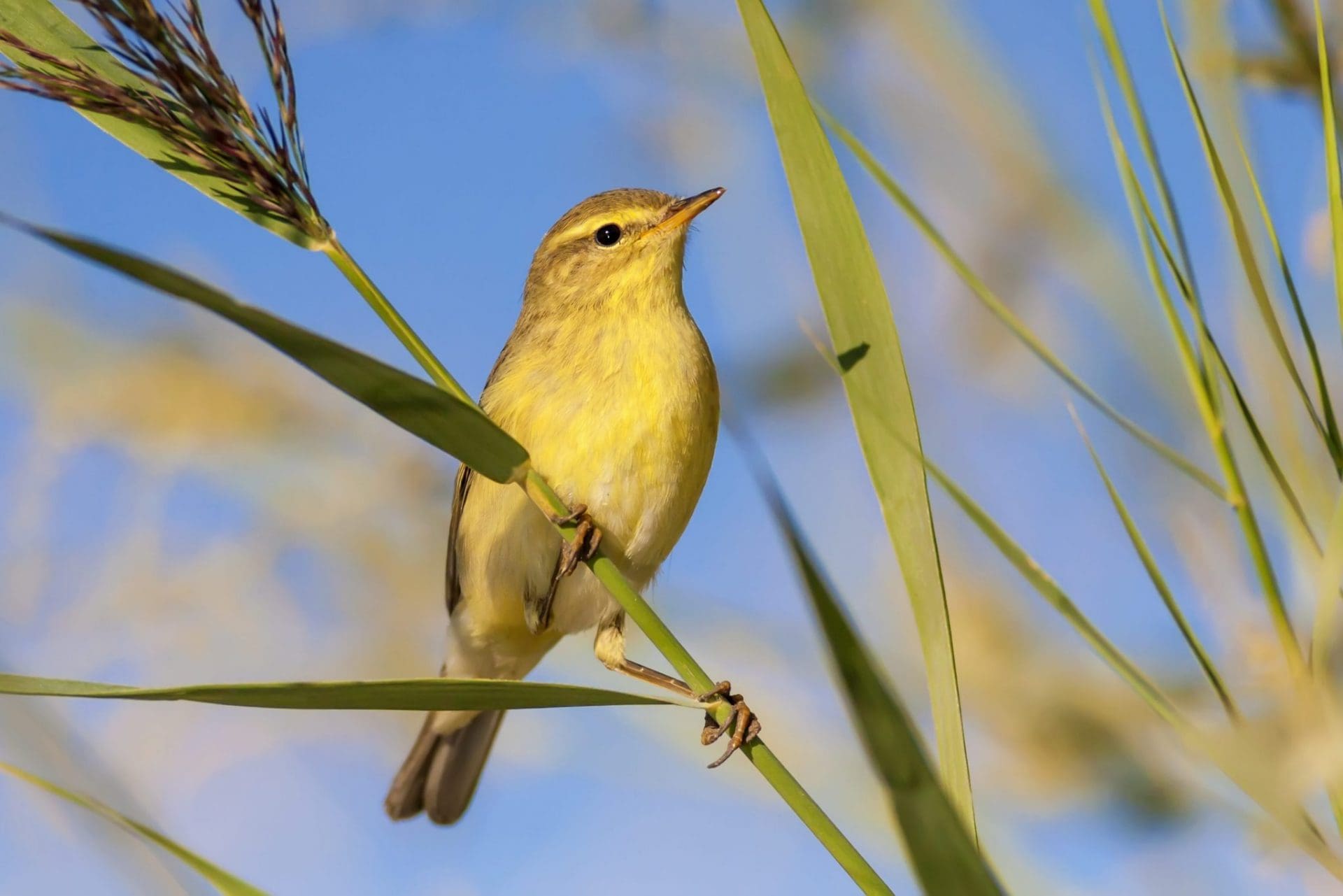
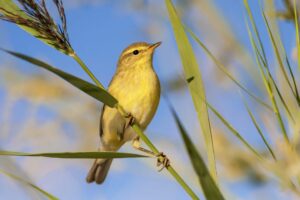
Bring your binoculars! Luscombe Valley is a haven for ornithologists. Listen out for the scratchy song of the Willow Warbler perched at the top of a gorse stem, or look for the Whitethroat—a medium-sized summer visitor that darts rapidly in and out of cover, flicking its long tail.
The undisputed stars of the gorse, however, are the resident Dartford Warblers. Named after the town in Kent, these tiny, dark birds with long tails have a charmingly erratic flight pattern. And if you sit quietly near the streams or the wooden walkways, keep your eyes low over the water—you might just see the brilliant, iridescent blue flash of a Kingfisher hovering over the surface as it hunts for its next meal.