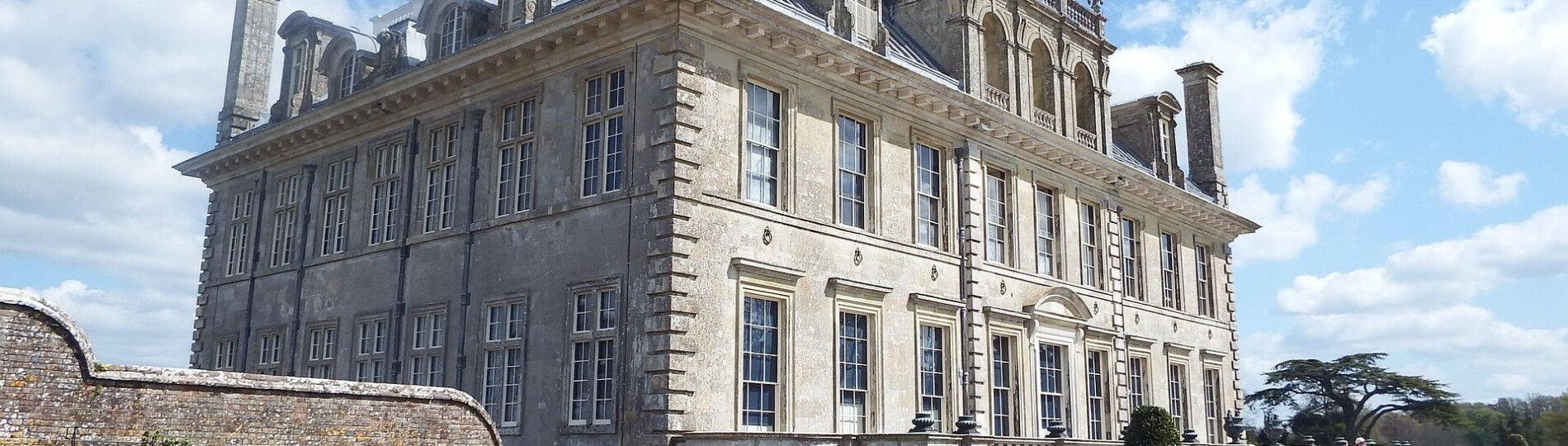
Kingston Lacy is a palace of secrets, hidden in the heart of the Dorset countryside.
Once the lavish home of the Bankes family (who also owned Corfe Castle), the house is an opulent treasure trove of fine art, intricate wood carvings, and marble floors. Beyond the grand interiors, the estate stretches out into miles of parkland where you can find iron-age hill forts, rare breed cattle, and one of the most beautiful Japanese gardens in England.
Located just north of Wimborne, Kingston Lacy is very easy to access by road with ample space for visitors.
-
By Car: Follow the B3082 (Blandford Road) from Wimborne. The entrance is well-signposted and leads to a large, free car park for visitors (free for National Trust members).
-
By Bike: The estate is a popular destination for cyclists, with several safe routes connecting from the nearby Castleman Trailway.
-
By Bus: While there is no direct bus to the gates, you can take a bus to Wimborne Minster and catch a short taxi ride to the estate.
As a premier National Trust site, Kingston Lacy offers some of the best accessibility in the county.
-
The House: Unusually for a historic building, there is a lift providing access to the first floor, allowing everyone to see the Spanish Room and the State Bedrooms.
-
The Grounds: Most of the formal gardens have gravel paths that are well-maintained. A fleet of powered mobility vehicles (trampers) and manual wheelchairs are available to borrow (pre-booking is essential).
-
Facilities: Fully accessible toilets and a level-access restaurant are located near the main entrance.
The estate is open daily throughout the year, though house and garden hours can vary.
-
The Gardens & Park: Usually open from 10:00 AM until 4:00 PM (winter) or 5:00 PM (summer).
-
The House: Often opens slightly later than the gardens (around 11:00 AM) and requires a timed entry slot during busy periods.
-
Admission: Entry is free for National Trust members. For non-members, a whole-property ticket grants access to both the house and all the gardens.
Perfect for
Map Directions
A Venetian Palace in Dorset
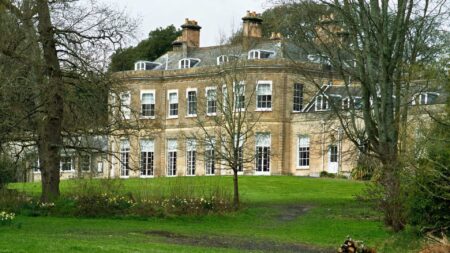
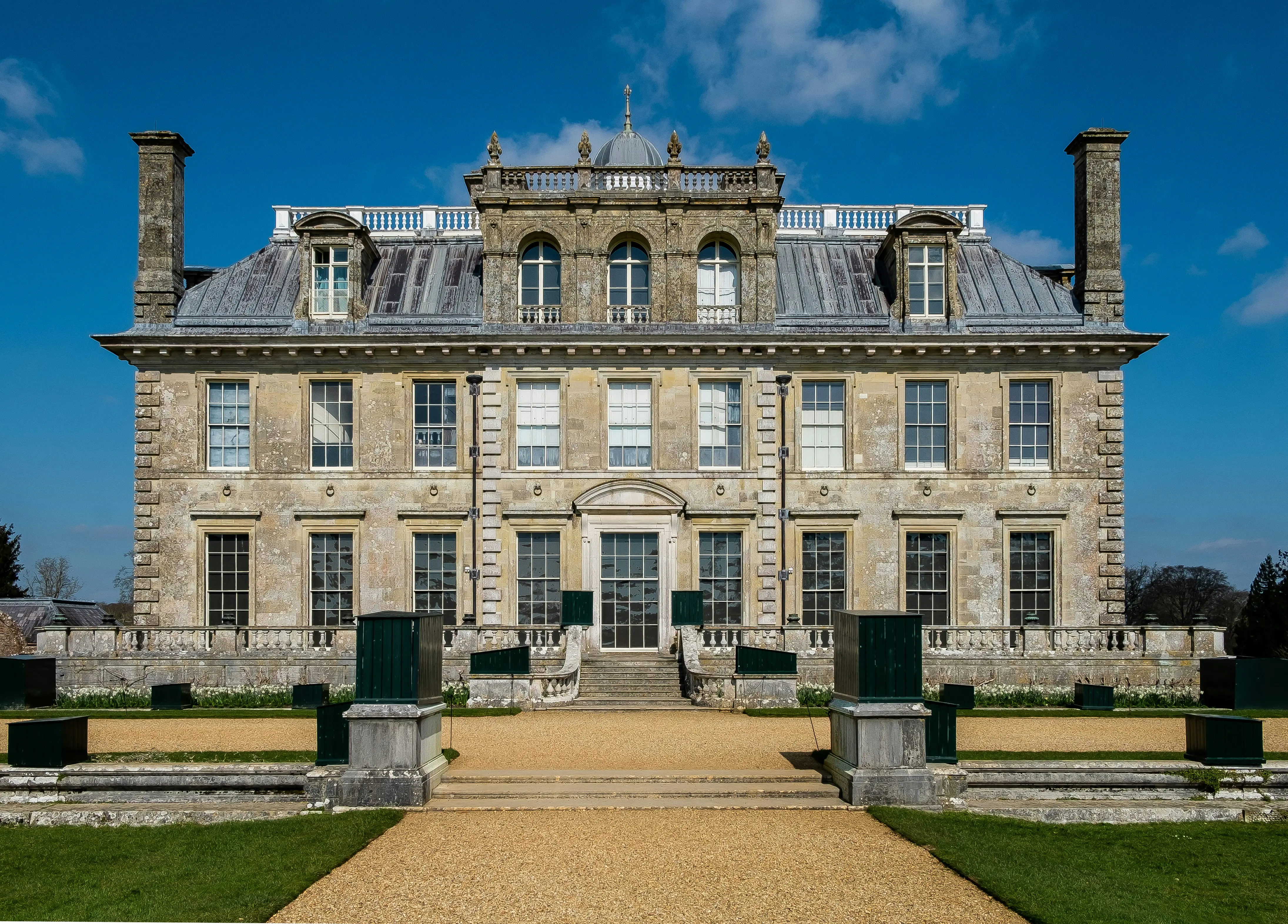
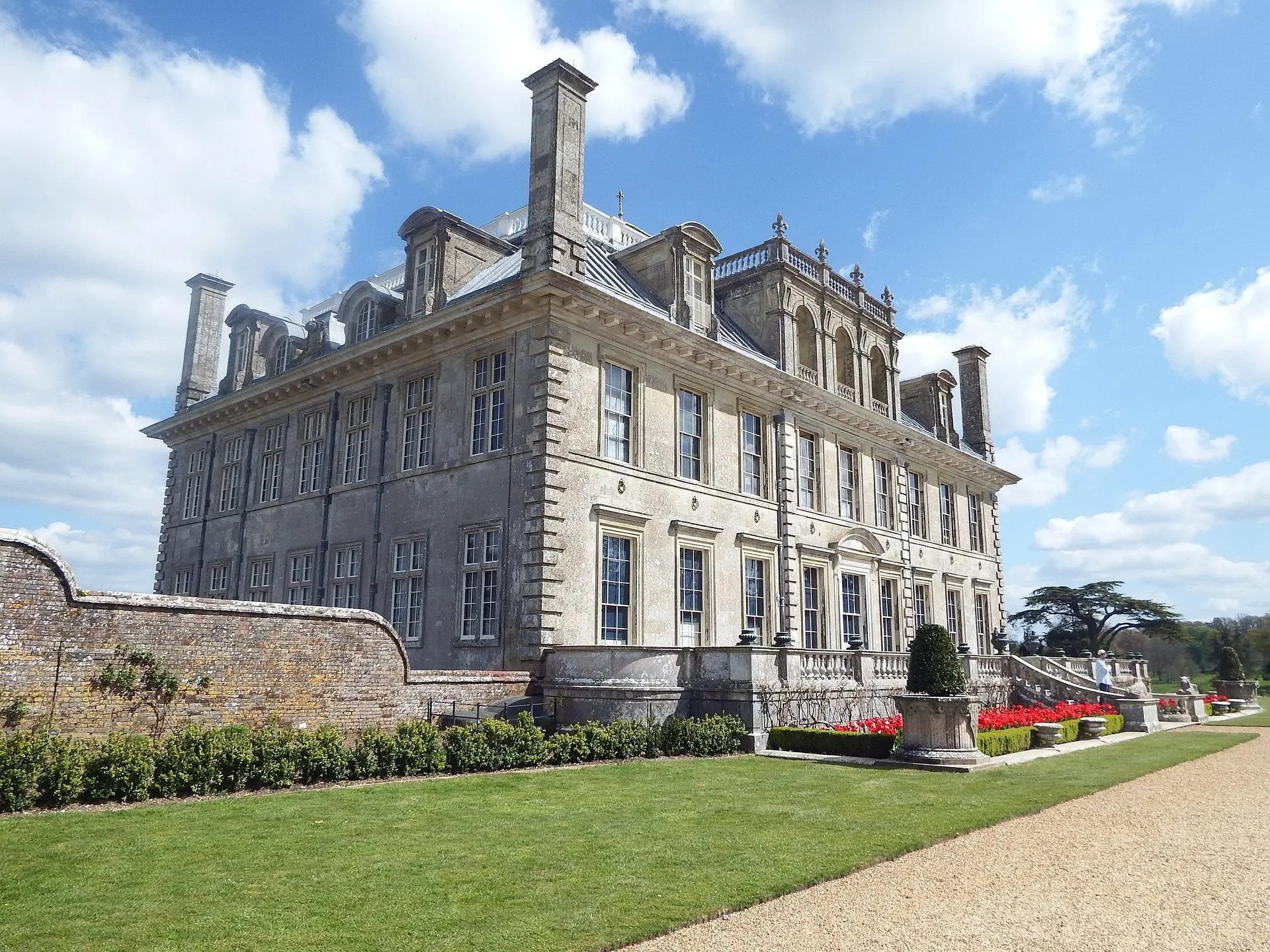
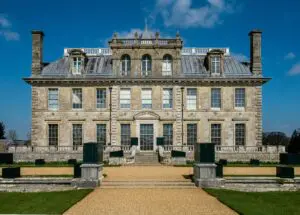
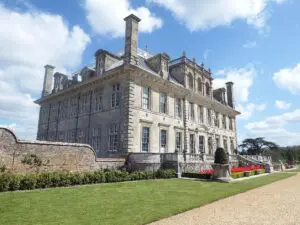
The first thing you notice about Kingston Lacy is that it doesn’t look like a typical English manor. After the family’s original home, Corfe Castle, was destroyed in the Civil War, they built this new seat to be the height of fashion. Inside, the house is a masterclass in opulence. The Spanish Room is a highlight, featuring walls covered in gilded leather and a ceiling imported directly from a Venetian palace. You’ll also find works by Rubens, Van Dyck, and Titian hanging in the galleries, making it a must-visit for art lovers.
The Egyptian Obsession
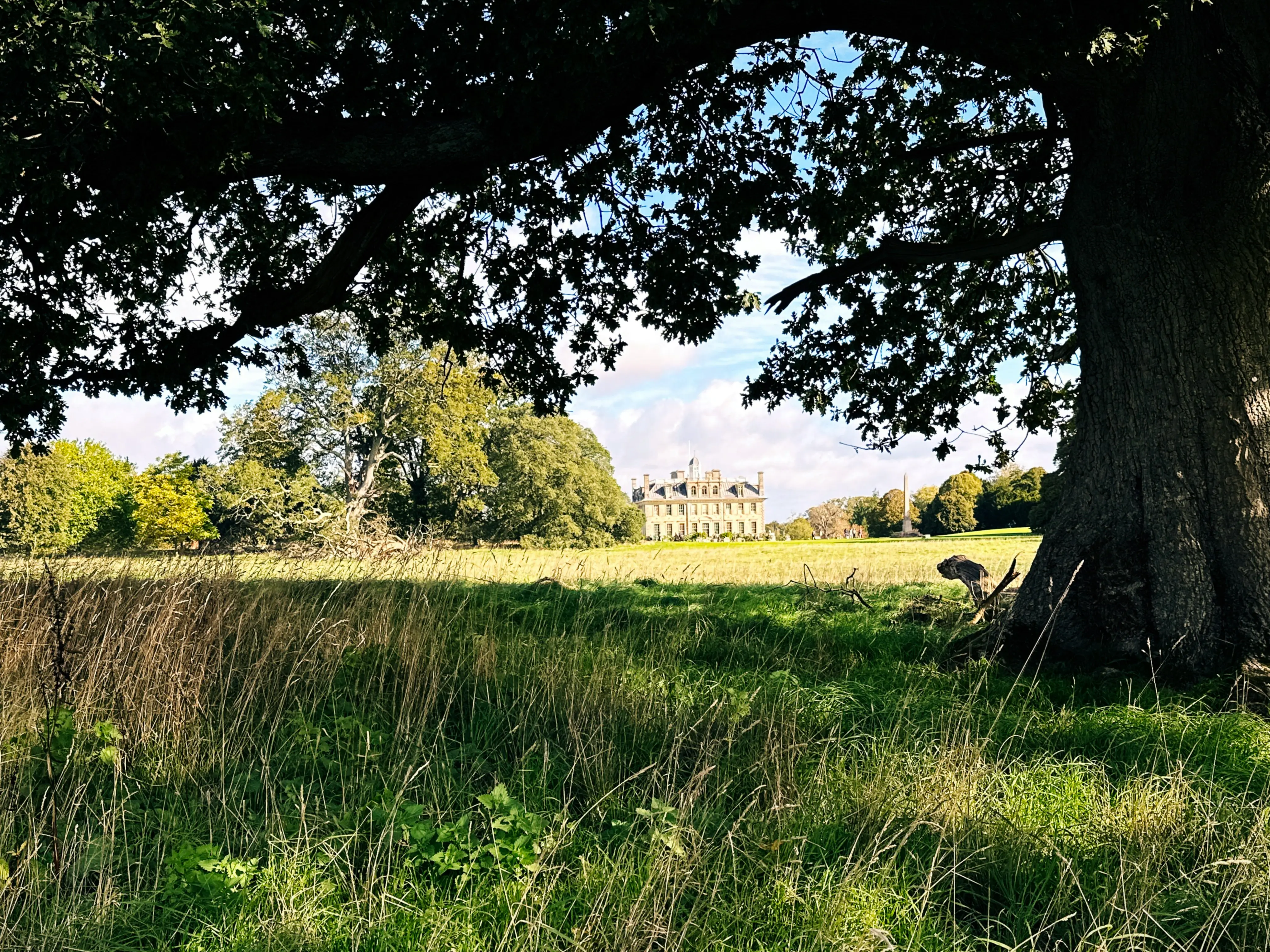
Kingston Lacy holds one of the most important collections of Egyptian antiquities in the UK. This is thanks to William John Bankes, an adventurous explorer and friend of Lord Byron. On the South Lawn stands a massive, 2,000-year-old stone obelisk brought back from the island of Philae. Inside the house, you can explore an entire room dedicated to Egyptian artifacts, including bronze cats and ancient papyrus scrolls that helped early scholars decipher hieroglyphics.
The Japanese Garden and Kitchen Garden
The gardens at Kingston Lacy are as diverse as the house.
-
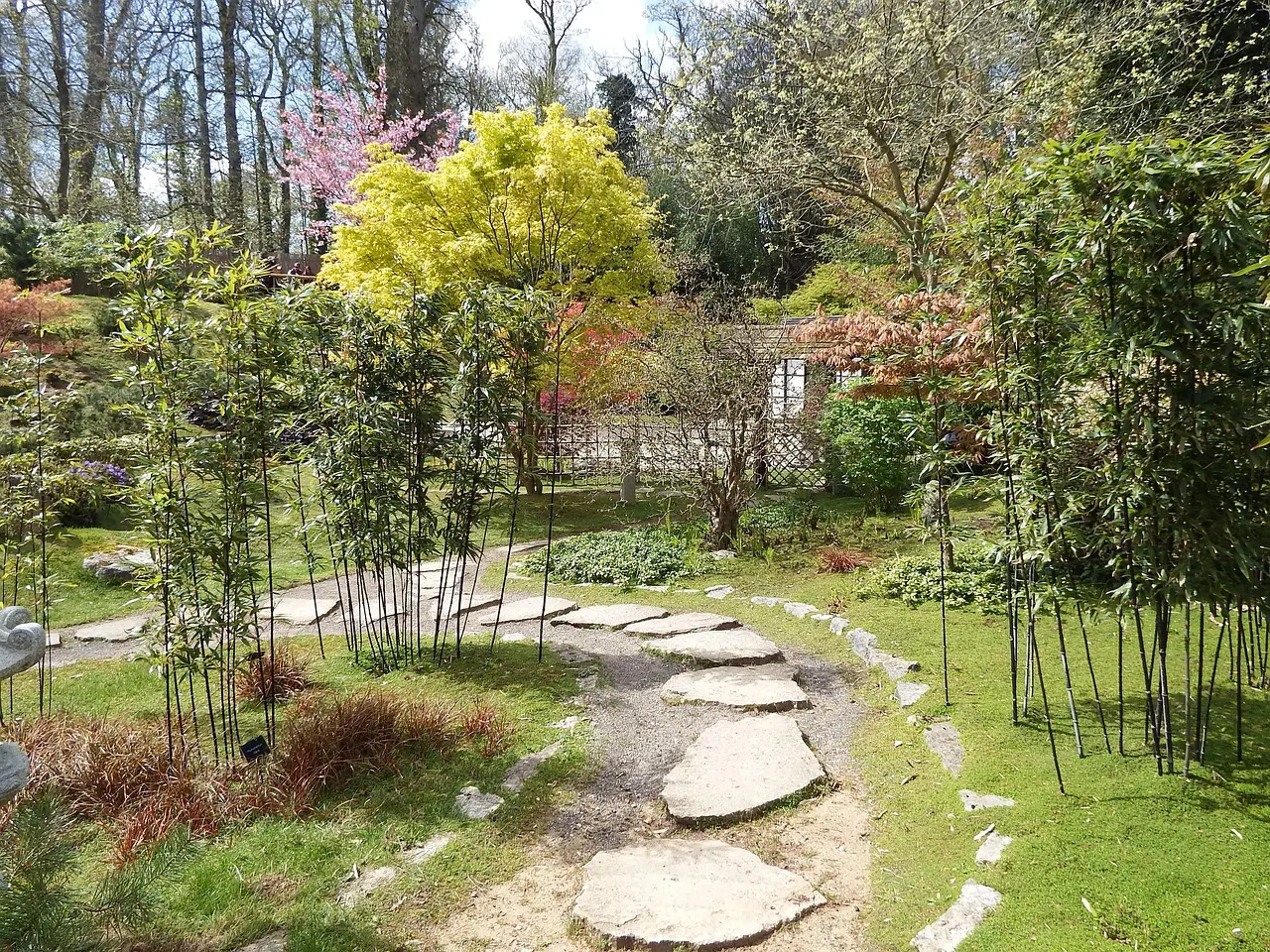
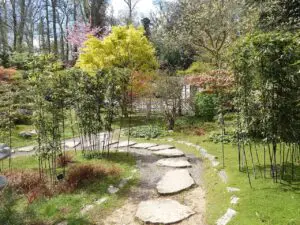
The Japanese Garden: Created in the early 1900s, this is a serene space filled with authentic stone lanterns, a tea house, and a winding stream. It is particularly beautiful in May when the azaleas are in bloom.
-
The Kitchen Garden: A massive, productive space that still supplies the on-site café. Walk through the Victorian greenhouses and see the heritage varieties of apples, pears, and vegetables being grown just as they were a century ago.
A Working Country Estate
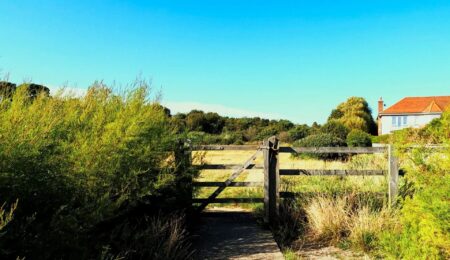
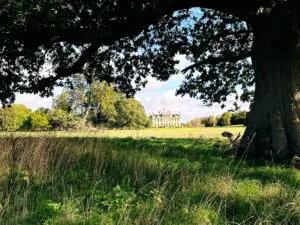
Beyond the formal fences, the Kingston Lacy estate covers thousands of acres of Dorset farmland. It is home to a famous herd of Red Ruby Devon Cattle, which you will often see grazing in the parkland. For those who love to hike, the estate includes Badbury Rings, an Iron Age hill fort with spectacular views across the county. Whether you are there for the high-end art or a muddy woodland walk with the kids, Kingston Lacy offers a complete day out.